
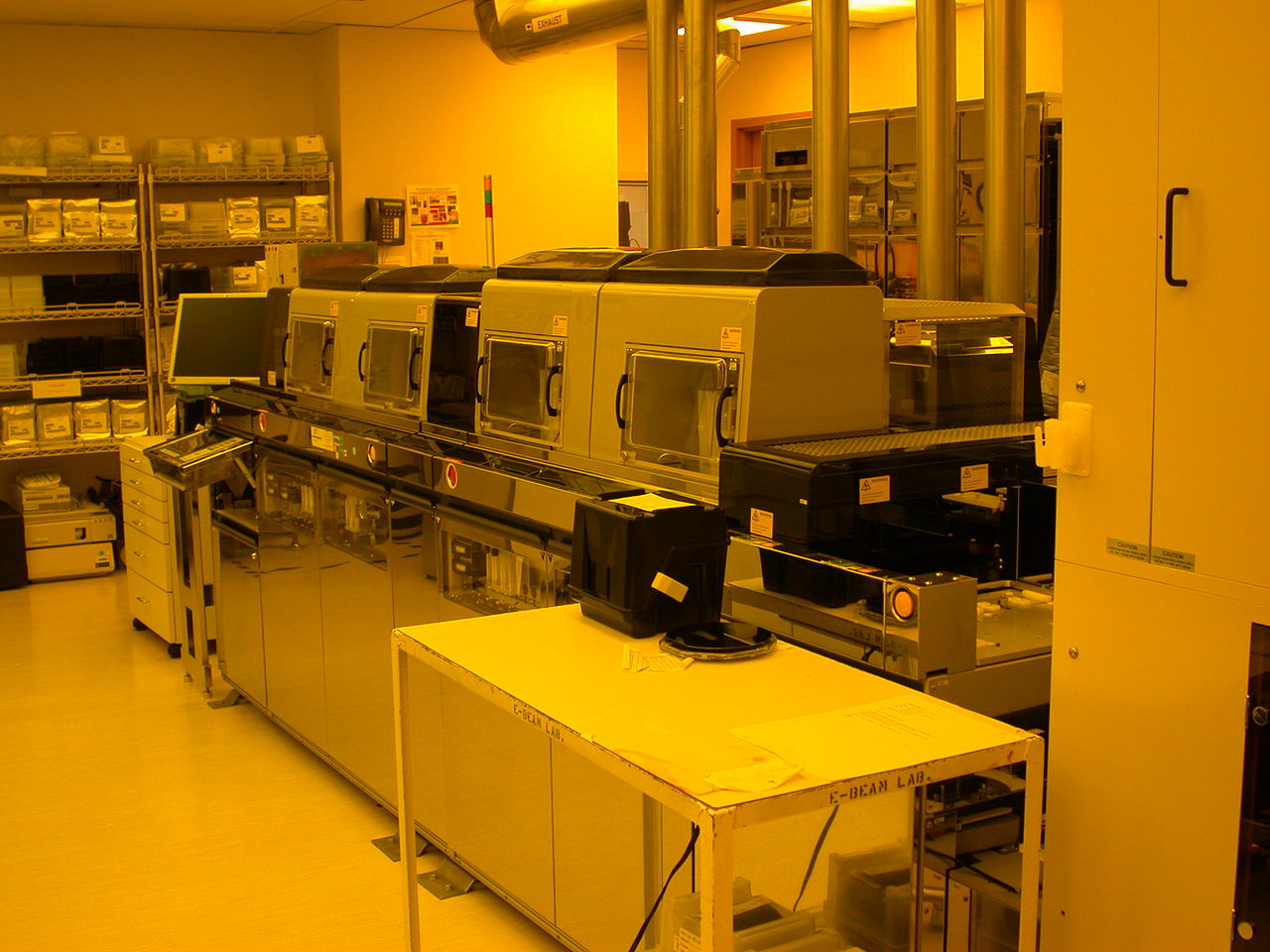
Four years after enactment, the CHIPS and Science Act has delivered $30.9 billion in direct funding to 19 companies across 40 projects, plus $5.5 billion in loans to two of those firms. TSMC, Intel, and Samsung each received $6B+ awards. But a key provision — the Advanced Manufacturing Investment Tax Credit (Section 48D) — expires for construction starts after December 31, 2026, creating urgency for projects still in planning. Coverage from GAO-26-107882, Manufacturing Dive, and CRS FAQ R47523.
What the current administration is doing
The administration is renegotiating the law's federal funding with each awardee and letter-of-intent recipient. Outcomes vary by project — some are proceeding on original timelines, others are restructured, and a few face reduced federal commitment.
In December 2024, OMB issued an RFI seeking ways to incentivize government contractors — especially of commercial IT products and services — to scale use of domestically manufactured chips. Expect follow-on FAR language tying federal IT procurement to U.S.-fabricated chip content.
What contractors should track
- Section 48D tax credit deadline. Projects starting construction after Dec 31, 2026 lose eligibility. Fab-adjacent suppliers with projects in planning should compress schedules.
- OMB domestic-chip procurement guidance. Coming FAR/DFARS language will require IT vendors to document chip-content origin; start tracking supply chain now.
- Subcontracting opportunities. The 40 funded semiconductor projects generate construction, equipment, clean-room, and specialty-services subcontracts worth billions cumulatively.