
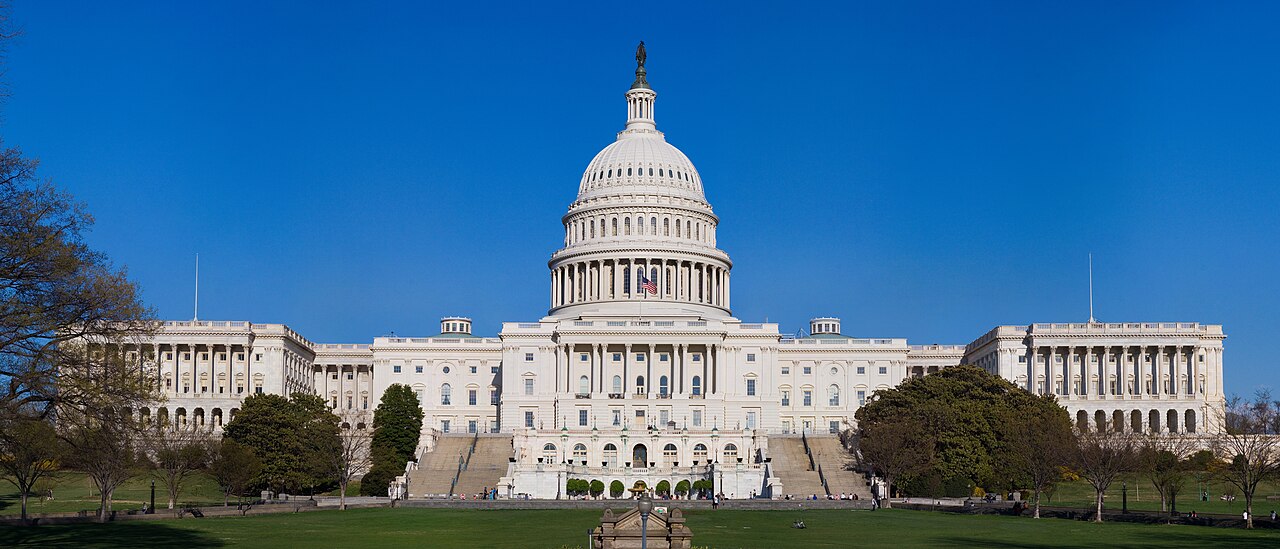
On April 13, 2026, President Trump signed S. 3971 into law, reauthorizing the Small Business Innovation Research (SBIR) and Small Business Technology Transfer (STTR) programs through September 30, 2031. The bipartisan legislation extends two of the federal government's most important small-business R&D pipelines for five more years — closing out a long stretch of uncertainty about whether the programs would lapse. Coverage from the International Economic Development Council.
What changed
Beyond the calendar extension, the reauthorization includes structural changes:
- Innovation Corps participation required. Agencies running I-Corps programs must offer participation to SBIR and STTR recipients, and award funds may be used for commercialization training. This addresses a longstanding gap — Phase II awardees often lack the commercialization muscle to convert R&D to revenue.
- FPDS tracking improvements. GSA must update the Federal Procurement Data System to better track SBIR and STTR awards, including Phase III contracts and the use of funded technologies. Phase III tracking has historically been spotty; this should make it easier for awardees to demonstrate Phase III sole-source eligibility downstream.
- Continued Phase III sole-source authority. Phase III sole-source awards remain available to firms that completed Phases I and II — a crucial provision because Phase III contracts are themselves not SBIR/STTR-funded. They can be production contracts, follow-on R&D, or services awards.
What this means for small innovators
For firms already in the SBIR/STTR pipeline, the reauthorization removes the planning overhang. Firms can submit Phase I proposals knowing the Phase II → Phase III path remains intact through 2031.
For firms not yet in the program: April 2026 is a good entry point. The reauthorization signals stability, and the upcoming standard receipt dates create predictable proposal windows. NIH's next standard receipt date is September 5, 2026; DoD agencies run their own cycles via the SBIR.gov topic releases.
The Phase III opportunity people miss
Many firms treat Phase III as out of reach because SBIR doesn't fund it. The opposite is true: Phase III is where the real money is. A successful Phase II can lead to:
- Sole-source Phase III contracts at any dollar level, with no further competition required
- Follow-on production contracts using SBIR-developed technology
- Pass-through subcontracts under prime contracts that need the SBIR-developed capability
The reauthorization's FPDS tracking improvements are aimed at making this opportunity more visible, including for contracting officers who don't always know they can use Phase III authority.
What to do this week
- If you've completed Phase II awards, audit your past performance to identify Phase III sole-source candidates with target agencies.
- If you've never applied: review SBIR.gov topic releases against your firm's capability statement. Direct-to-Phase II awards (skipping Phase I) are increasingly common — DARPA's recent CoVar PPADM award is an example.
- Brief your business development team on the Innovation Corps integration — it's a budget-allowable expense for commercialization activity that wasn't always reimbursable before.