
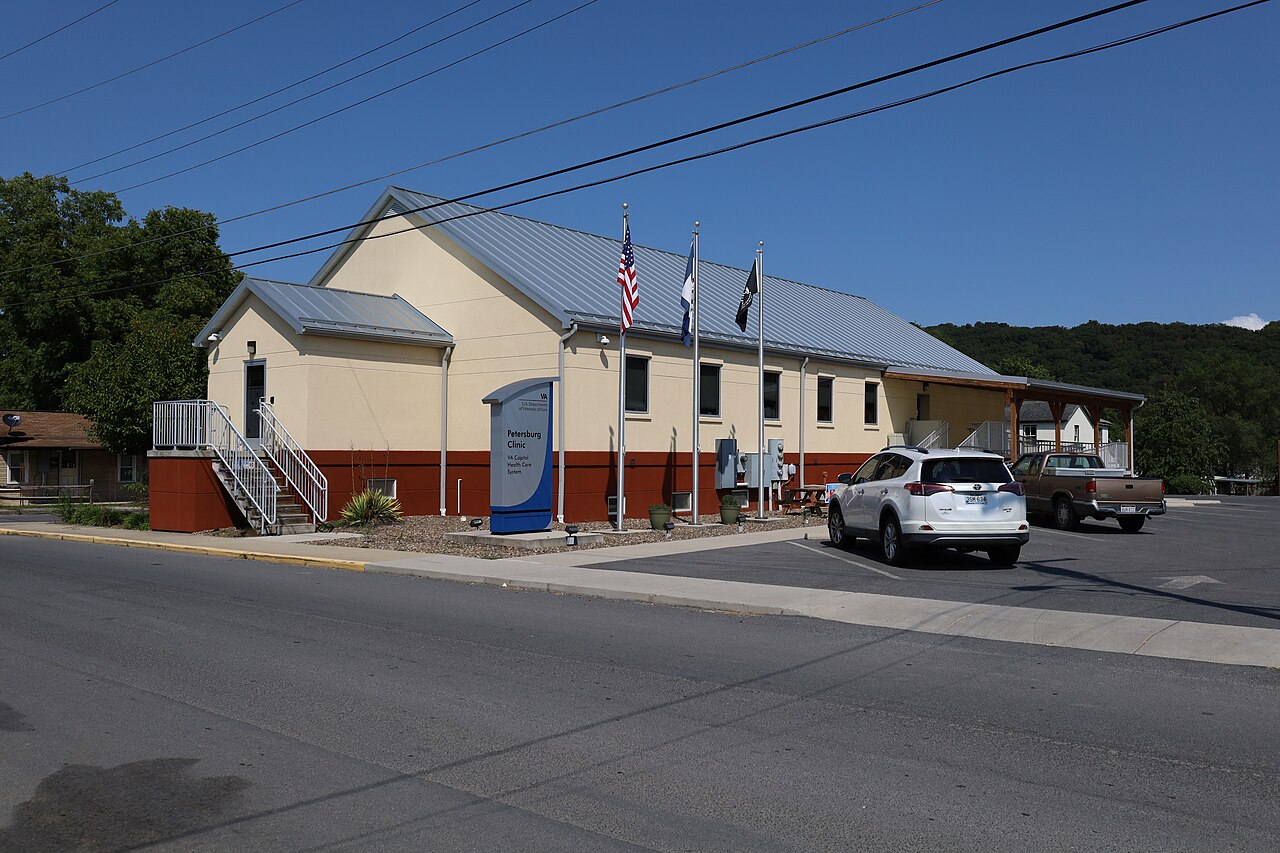
The U.S. Court of Federal Claims denied all remaining protests of the Department of Veterans Affairs' $60 billion Transformation Twenty-One Total Technology Next Generation 2 (T4NG2) IDIQ in April 2026. Judge Molly R. Silfen's decision clears the contract to proceed with 33 authorized vendors. Coverage from Washington Technology and Stars and Stripes.
T4NG2 at a glance
- $60 billion ceiling over 10 years
- 33 authorized prime vendors
- Primary VA IT-services acquisition vehicle
- Covers cybersecurity, systems engineering, software development, and IT modernization
- Successor to the original T4NG contract
The protest saga
T4NG2 faced 26 open protests at peak in May 2025 — one of the more contested VA procurements in recent memory. Judge Silfen's ruling denied the remaining protests and effectively finalized the authorized-vendor list.
The court's reasoning reinforced that evaluation documentation standards matter (consistent with FY25 GAO protest trends) — but also that agencies have meaningful discretion in evaluating technical proposals once documentation is adequate.
What T4NG2 actually covers
Task-order domains include:
- Cybersecurity services (NIST 800-171, FedRAMP, zero-trust implementation)
- Systems engineering and integration
- Software development, including agile modernization
- Data management, analytics, and AI
- Enterprise architecture and IT governance
- Cloud services and migration support
Interplay with VA's other big vehicles
T4NG2 operates alongside:
- CCN Next Gen ($700B potential) — the VA healthcare services mega-vehicle
- IHT 2.0 ($14B SDVOSB set-aside) — healthcare transformation services
- Oracle EHR ($37B lifetime) — clinical records modernization
Together, VA has the largest concentration of active federal IT procurement vehicles by dollar value. Vendors serving VA have unusually rich vehicle choice.
What to do this week
- If you're on T4NG2: task-order flow will accelerate through 2026 now that protests are resolved
- If you're not a prime but have a capability: identify the 33 primes and pursue subcontracting relationships on upcoming task orders
- Watch for the first post-clearance task orders — they often set precedent for evaluation patterns on the vehicle