
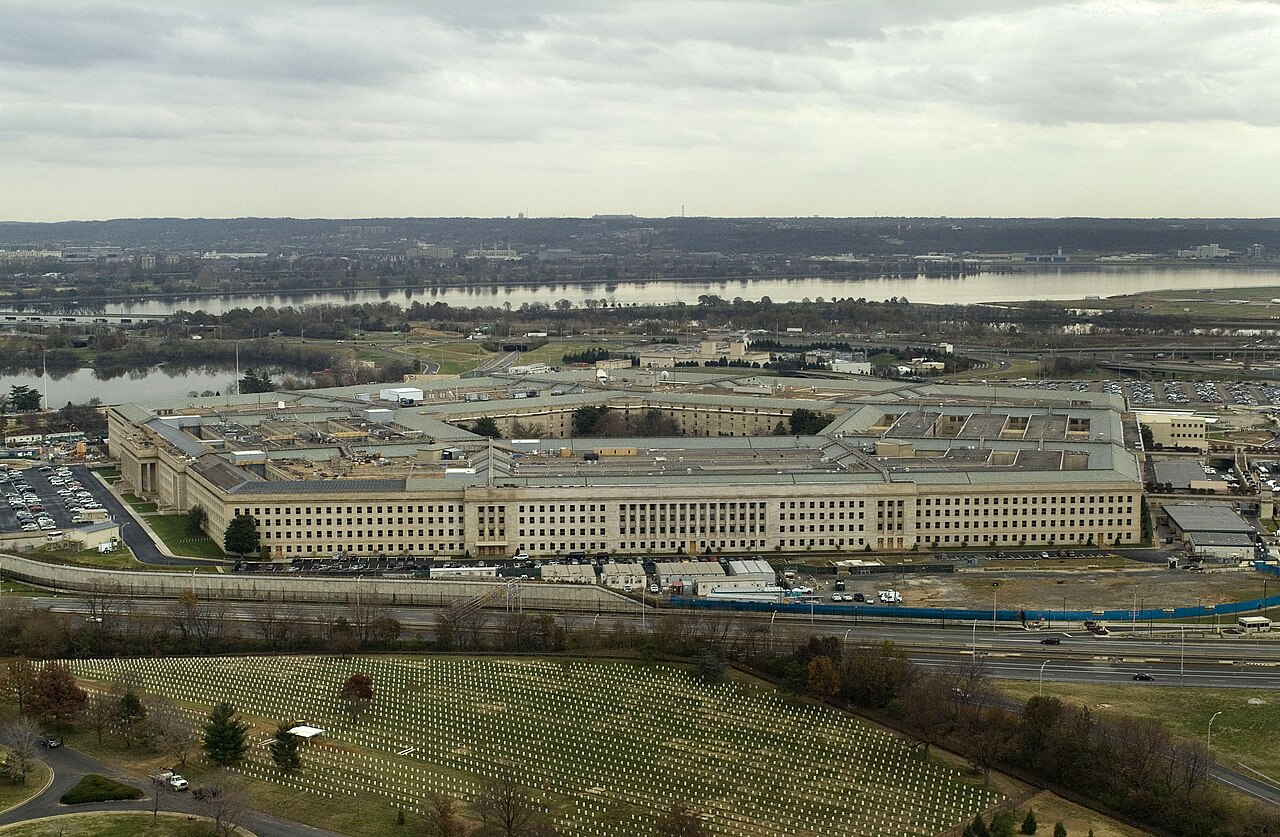
A final rule amending the Defense Federal Acquisition Regulation Supplement became effective May 7, prohibiting DoD contracting officers from requiring nontraditional defense contractors to disclose a greenhouse gas inventory or any other report on greenhouse gas emissions as a condition of contract award, unless DoD determines such disclosure is necessary to verify a voluntary GHG commitment already made by the contractor. The rule implements Section 318 of the National Defense Authorization Act for Fiscal Year 2024 and adds a new DFARS subpart 223.5 — Greenhouse Gas Emissions — to Part 223, which covers environment, energy, and water efficiency requirements in defense acquisitions. Because the rule limits rather than imposes obligations on offerors and contractors, DoD determined it was not required to publish the rule for prior public comment under the Administrative Procedure Act.
What the Rule Does and Does Not Do
The final rule's operative effect is restrictive: it constrains what contracting officers may ask for, rather than what contractors must provide. Prior to the rule's effective date, there was no explicit DFARS prohibition on a contracting officer inserting GHG disclosure requirements into a solicitation or contract — and during the Biden administration, DoD had begun piloting GHG-disclosure provisions aligned with a proposed FAR rule on climate-related contractor disclosures that was published in November 2022 but never finalized before the change in administrations. Section 318 was a congressional response to those proposals, directing DoD specifically to stop treating GHG inventory disclosures as a condition of award eligibility for nontraditional defense contractors — firms that do not currently hold or have not recently held a traditional defense procurement contract.
The rule does preserve a narrow waiver authority. A contracting officer may still require GHG disclosure on a contract-by-contract basis if the disclosure is directly related to the performance of the specific contract in question — for example, a contract for energy services where emissions data is operationally relevant — rather than as a blanket responsibility or eligibility criterion. That waiver requires a determination and is meant to be the exception, not the default. The rule does not affect contractors who have voluntarily committed to emissions reduction targets or who are disclosing GHG data through the CDP, Science Based Targets initiative, or other voluntary frameworks; those disclosures remain entirely permissible but cannot be required by DoD acquisition personnel.
Context: GHG Disclosure Requirements Under Prior Administrations
The Biden administration's FAR Council published a proposed rule in November 2022 that would have required major federal contractors — those with more than $50 million in annual federal contract obligations — to disclose Scope 1, Scope 2, and certain Scope 3 greenhouse gas emissions, and would have required the largest contractors to obtain third-party validation of their disclosures and set science-based emissions reduction targets. The proposal generated more than 23,000 public comments and was never finalized. DoD's piloting of GHG disclosure language ahead of a final FAR rule drew criticism from the defense industrial base, particularly from nontraditional contractors in the commercial technology sector who argued that mandatory GHG reporting would deter commercial firms from pursuing DoD contracts. Section 318 of the FY 2024 NDAA addressed that concern by statute, and the May 7 final rule puts the statutory restriction into the DFARS in a form that contracting officers can directly apply.
What It Means for Contractors
The rule is unambiguously favorable for nontraditional defense contractors and commercial technology firms that had avoided DoD competitions in part because of concerns about being required to build out an emissions reporting infrastructure as a condition of doing business with the Pentagon.
- Nontraditional defense contractors — defined under 10 U.S.C. § 3014 as firms that have not received a cost-type contract or a traditional procurement contract exceeding $1 million in the prior year — are the primary beneficiaries. These firms no longer face the risk of a GHG disclosure clause appearing in a DoD solicitation as a responsibility criterion.
- Traditional defense contractors with existing voluntary GHG commitments are unaffected; their disclosures remain permissible and may actually help them under DoD's broader sustainability and energy security programs, which are distinct from the mandatory disclosure requirements Congress restricted.
- Contracting officers should remove any GHG disclosure language from solicitation templates that was inserted outside of a specific contract performance justification; firms receiving solicitations with such language after May 7 should raise a question to the contracting officer citing DFARS subpart 223.5.
- The rule does not affect EPA emissions reporting requirements, SEC climate disclosure rules applicable to publicly traded companies, or state-level emissions reporting mandates — contractors remain obligated by those frameworks independently of the DoD DFARS change.
The Broader FAR Climate Disclosure Landscape and What Remains
The DFARS final rule addresses only DoD's acquisition regulations; the Biden-era proposed FAR rule on contractor GHG disclosures, published in November 2022, would have applied across the entire federal contracting base and was never finalized before the change of administrations. The Trump administration's FAR Council has not indicated an intent to finalize the broader FAR rule, and the DFARS restriction on GHG disclosures signals that any federal-wide mandatory disclosure framework faces significant headwinds in the current regulatory environment. Contractors who built out emissions inventory and reporting capabilities in anticipation of the proposed FAR rule will likely be able to maintain those capabilities for voluntary disclosure purposes without creating new regulatory compliance obligations in the near term.
Voluntary emissions disclosure through the CDP (formerly Carbon Disclosure Project) and alignment with the Science Based Targets initiative remain permissible and may continue to be commercially advantageous for contractors with significant commercial business relationships alongside their federal work. Large publicly traded contractors also remain subject to the SEC's final climate disclosure rule, which was finalized in March 2024 and requires registrants to disclose material climate-related risks and, for the largest registrants, certain Scope 1 and 2 emissions data in their annual filings. The DFARS final rule does not affect SEC obligations — the two regulatory regimes operate independently, and a contractor's obligation to disclose climate information to the SEC under securities law is entirely separate from a contracting officer's authority to require GHG disclosure as a condition of contract award. Contractors navigating both regimes should ensure their legal and compliance functions coordinate to avoid creating inconsistencies between voluntary disclosures, SEC filings, and what they choose to share with DoD acquisition personnel.