
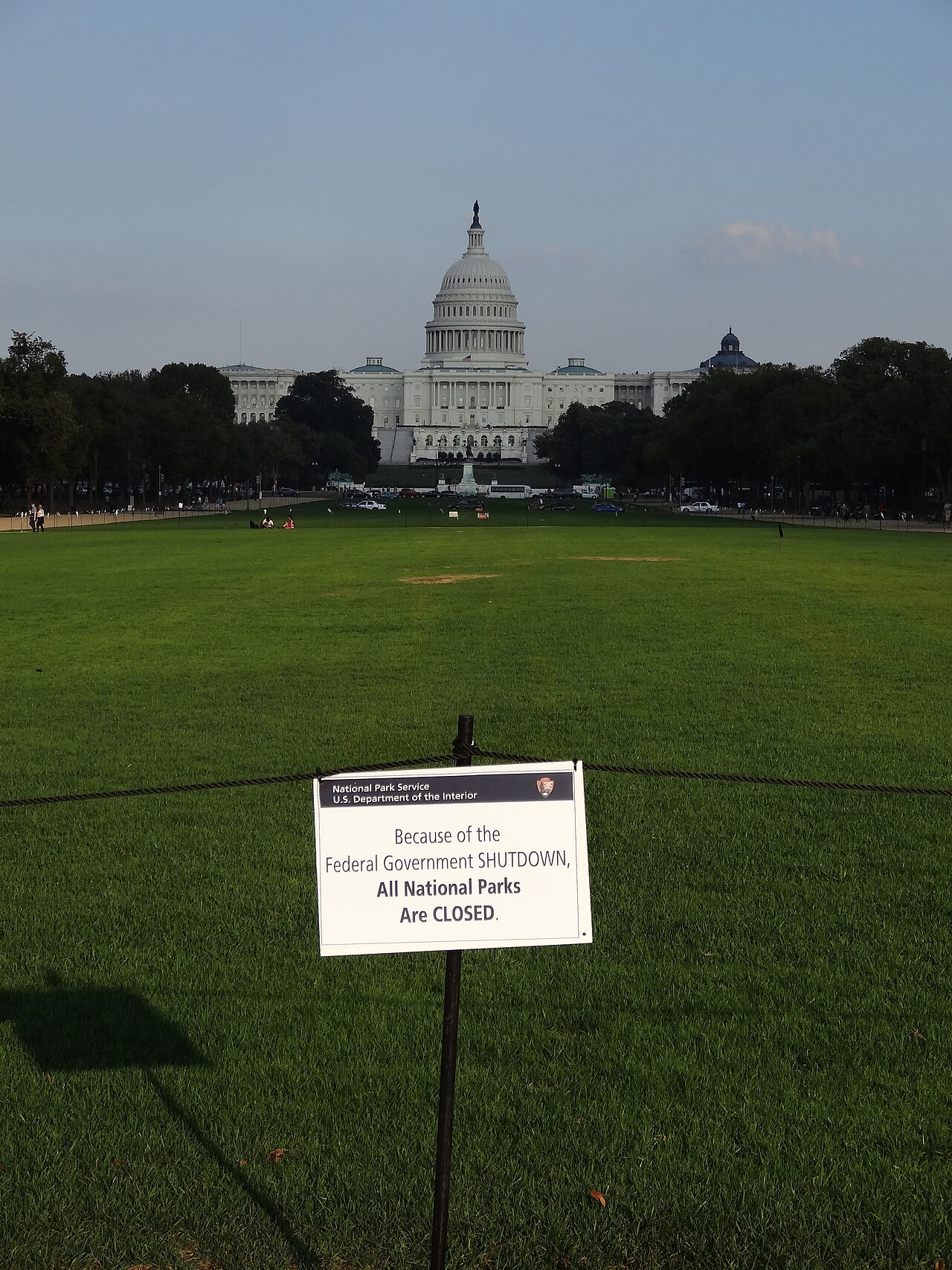
The federal 1-for-4 hiring rule and the OMB "Continued Accountability" guidance create an unusual cross-current for federal contractors: shrinking federal workforce drives surge demand for outside support, but the same OMB guidance pushes agencies to reduce their reliance on consulting contracts. Coverage from OPM, College Recruiter, and Winvale.
The cross-current explained
- Hiring side: 1-for-4 rule — agencies can only hire 1 person for every 4 who depart. RIF moratorium expired Jan 30, 2026 — additional reductions resume after that.
- Contracting side: Agencies were instructed not to use contractors to circumvent the 1-for-4 rule. OMB push to reduce "shadow workforce" of expensive consultants.
Result: agencies have fewer feds AND are being told not to convert that into more contracts. Workload doesn't reduce by edict — it just gets redistributed or delayed.
What contractors are seeing in practice
- Bridge contracts (6-12 month) replacing longer arrangements
- Task-order activity ramping under existing IDIQs
- Insourcing of well-defined, repeatable services (HR, IT help desk, basic admin)
- Continued spending on specialty / niche capabilities that agencies can't easily insource
- Pricing pressure on services contracts as agencies bid out smaller scope
Schedule Policy/Career reclassification
The "Schedule F"-style reclassification (now Schedule Policy/Career) advances. Some federal positions lose civil-service protections, becoming functionally at-will. This could shift some work to contract labor over time — but the OMB anti-shadow-workforce guidance complicates that.
What to do
- Position for specialty work that agencies can't easily insource (cybersecurity, AI, engineering, niche compliance)
- Avoid generic staff-augmentation pitches — they're explicit reduction targets
- Watch the March 31 OMB/OPM "Merit Hiring Plan" deadlines — agencies "trimming the fat" first then hiring
- Build performance metrics into proposals that demonstrate measurable outcomes vs. headcount-equivalent service