
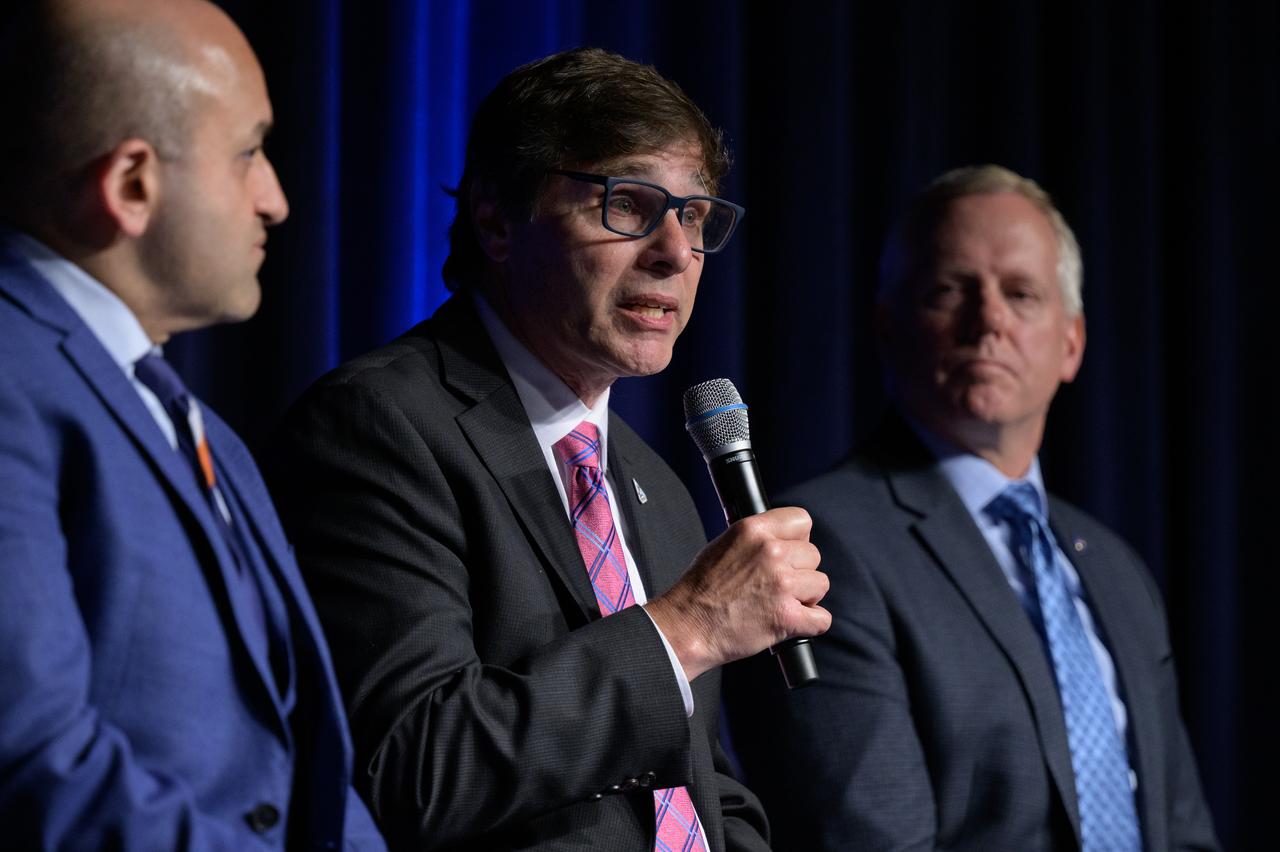
The White House has put its top intelligence official in charge of federal artificial intelligence policy, and the agencies, vendors and integrators selling AI to government now have a 120-day clock to watch. President Donald Trump on Sunday named Director of National Intelligence Jay Clayton to lead a new task force he calls the "Super Intelligence Force," which will have 120 days to report on AI's risks and opportunities and set a plan for the federal government, according to Nextgov/FCW reporting published by Government Executive.
The appointment lands days after Trump signed Executive Order 14434, which tells agencies to stop saying "artificial intelligence" and start saying "Super Intelligence." Together, the two moves set a pair of deadlines that could reshape how agencies describe, buy and police AI over the next four months.
Who Sits on the Super Intelligence Force?
Clayton, sworn in as DNI about two months ago, now holds a dual role overseeing all 18 U.S. spy agencies while also steering domestic technology policy. Government Executive described him as the new White House AI czar. A former corporate lawyer and SEC chairman, he does not come from the Silicon Valley pipeline that has supplied most of the administration's technology advisors.
The task force has three vice chairs: Under Secretary of Defense for Research and Engineering Emil Michael, whom the Associated Press described as the Pentagon's chief technology officer; Office of Personnel Management Director Scott Kupor; and Federal Trade Commission Chairman Andrew Ferguson. Members include Vice President JD Vance and Defense Secretary Pete Hegseth, with outside advisors including venture capitalist David Sacks, formerly Trump's AI and crypto czar, and former Secretary of State Condoleezza Rice. The AP reported the group will report to Trump and his chief of staff, Susie Wiles.
Trump said the task force will reach out to consumers, public interest groups, religious organizations, critical infrastructure providers and AI companies. Clayton framed the mission as a race. "The risk of not being first is high," Clayton told the Wall Street Journal in a Saturday exclusive that discussed the task force, as quoted by Government Executive.
What the Task Force Charter Covers
According to the charter as described by Nextgov/FCW, the task force will create plans to handle AI-enabled threats, streamline breach notifications and improve government response capacities while aiming to avoid overregulation. That combination of threat response, incident reporting and a stated aversion to heavy rules mirrors the administration's line from late September.
On Sept. 29, the same day Trump signed the terminology order, executives from major technology companies signed a voluntary accord on frontier model safety at the White House, Nextgov/FCW reported. Vance used remarks that afternoon to reject a Food and Drug Administration- or Federal Aviation Administration-style regulator for frontier models, arguing that the FTC and the Justice Department already have authority to hold developers responsible for products that harm consumers. Ferguson, the FTC chairman, now sits as a vice chair of the new task force.
Not everyone on Capitol Hill sees a plan yet. Sen. Mark Warner (D-Va.), vice chairman of the Senate Intelligence Committee, welcomed the attention but said Clayton's new title lacks a coherent strategy. "We still do not know what authority this new role will have, whether it will include developing safety standards or reviewing the most advanced models, or how it fits into the administration’s broader approach to AI," Warner said in a statement.
How Executive Order 14434 Renames AI Across Agencies
The task force name follows directly from Executive Order 14434, "Inaugurating The Era Of Super Intelligence," signed Sept. 29. Its policy statement is blunt: "It is therefore the policy of my Administration that, to the maximum extent permitted by law, the executive branch shall use the terms “Super Intelligence” and “SI” in place of “Artificial Intelligence” and “AI” and will not acknowledge the usage of “Artificial Intelligence” and “AI” in any applicable setting."
Section 2 applies the change to official correspondence, public communications, websites, reports, policy documents and other non-statutory documents within the executive branch. Section 2(b) carves out the past: nothing in the order requires agencies to alter previously issued regulations, presidential actions, contracts, grants or other historical documents.
The order does not invent a new legal meaning, at least not yet. Section 3 defines "Super Intelligence" as the same technologies covered by the statutory definition of artificial intelligence at 15 U.S.C. 9401(3). It then gives the Assistant to the President for Science and Technology 60 days to submit proposed legislative language for a federal definition of Super Intelligence, including an assessment of whether it should modify, expand upon or supersede the existing statutory definition, any conforming amendments to statutes that reference AI, and recommendations for further executive action.
Two Deadlines: Nov. 28 and Early February
Counting from the Sept. 29 signing date, the 60-day definition proposal is due around Nov. 28, 2026. The sources did not state a formal start date for the task force; counted from Sunday's Oct. 4 announcement, the 120-day report would land around Feb. 1, 2027.
The first deadline governs vocabulary and, potentially, statute. If the proposal recommends superseding the 15 U.S.C. 9401(3) definition, Congress would have to act before the statutory meaning of AI changes. The second deadline governs substance: how the government plans to respond to AI-enabled threats and handle breach notifications.
What It Means for Contractors
Existing contracts are safe from the rename. Section 2(b) of the order says nothing in it requires altering previously issued contracts and grants, so no vendor needs to reword a statement of work already on award. New agency documents are a different matter. Expect "SI" to start appearing in agency policy documents, websites and reports, and potentially in requests for information and market research notices, as agencies comply with Section 2(a). Proposal teams should search solicitations for both terms and mirror the agency's language in responses.
The legal definition still matters more than the label. Until a new statute passes, the order ties "Super Intelligence" to the existing 15 U.S.C. 9401(3) definition of AI, so compliance obligations tied to that definition do not change on Nov. 28. Contractors with government relations staff should track the science and technology advisor's proposal and any conforming amendments it recommends.
The task force charter points to where new requirements could come from. Plans to streamline breach notifications and handle AI-enabled threats could translate into incident-reporting clauses for vendors that build or host AI systems for agencies, though no source says so. With Clayton, Hegseth and Michael on the panel, defense and intelligence buyers are well represented in the process that produces the report. Firms selling into those markets should watch for task force outreach to AI companies and critical infrastructure providers, which Trump said is part of the mandate, and be ready to respond.
Sources
- US spy chief tapped as White House AI czar (Government Executive / Nextgov/FCW, Oct. 5, 2026)
- Trump names national intelligence director Jay Clayton to lead a new federal AI task force (Associated Press via Federal News Network, Oct. 5, 2026)
- Inaugurating The Era Of Super Intelligence (Executive Order 14434, The White House, Sept. 29, 2026)
- White House unveils 'super intelligence' executive order and industry accord (Nextgov/FCW, Sept. 29, 2026)
