
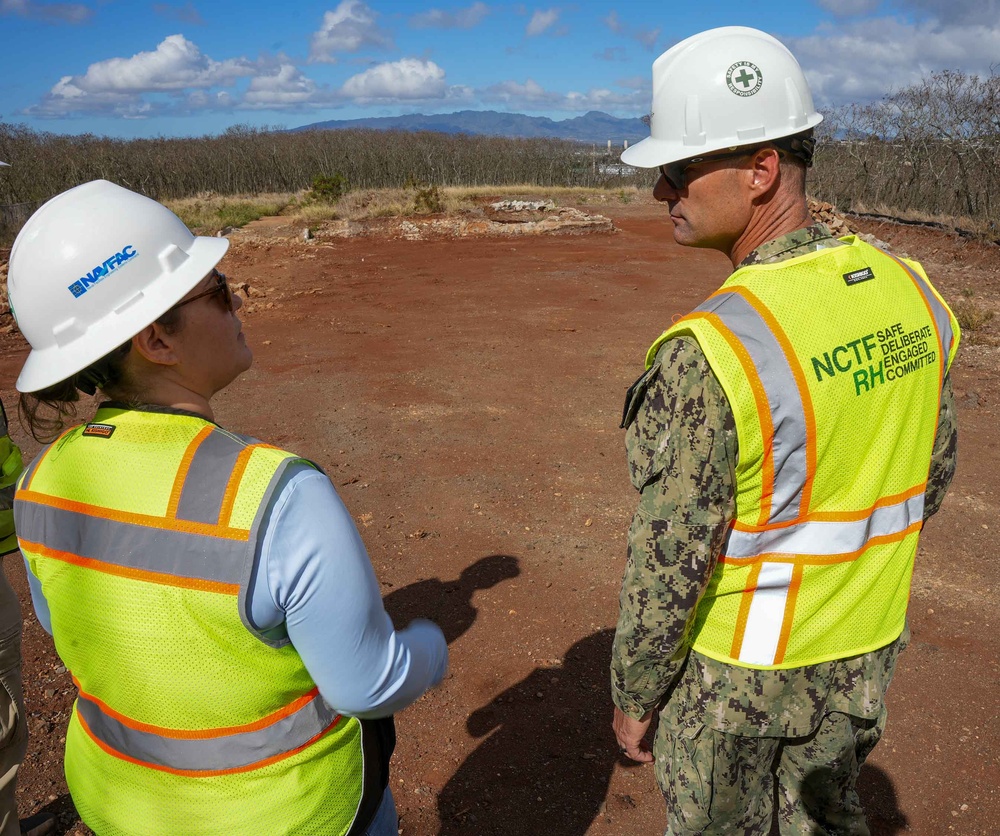
The Navy has awarded Hensel Phelps Construction Co. a $309,650,002 firm-fixed-price contract to build a permanent water treatment facility at Joint Base Pearl Harbor-Hickam, according to the Department of War's contract announcement for Aug. 11, 2026. The award funds the P-716 Red Hill Water Treatment Facility, a project meant to give Oahu's Navy water system a permanent safeguard after the 2021 jet-fuel contamination crisis at the nearby Red Hill fuel storage complex.
Background
Red Hill has been a fixture of Pearl Harbor's fuel infrastructure since World War II, storing jet fuel in massive underground tanks carved into volcanic rock above the Navy's Oahu water system. In November 2021, fuel leaked from the facility into the Red Hill well, contaminating the drinking water supply for thousands of military families and service members living on and around Joint Base Pearl Harbor-Hickam. The contamination triggered hospitalizations, evacuations, and a multi-year public health response, and it ultimately forced the Navy to commit to permanently defueling and closing the Red Hill storage facility under pressure from the state of Hawaii and the Environmental Protection Agency.
While the defueling and tank closure process addressed the source of contamination, the drinking water system itself still needed a durable fix. The Navy's existing water treatment capability at Pearl Harbor was not built to handle a contamination event at Red Hill's scale, and residents and Hawaii regulators pushed for infrastructure that could filter petroleum compounds out of the water supply on an ongoing basis. The $309.65 million contract awarded to Hensel Phelps is the Navy's answer to that demand: a purpose-built treatment plant designed specifically to remove fuel-related contaminants before water reaches base housing and facilities.
The years between the 2021 crisis and this award were consumed largely by the defueling effort itself, a slow and technically difficult process of draining fuel out of underground tanks that had sat above the aquifer for decades. That work, along with ongoing water quality monitoring and interim treatment measures, occupied much of the Navy's attention and budget in the immediate aftermath. The P-716 award marks a shift from emergency response and tank closure toward permanent replacement infrastructure, signaling that the Navy now views the drinking water system itself, not just the fuel storage facility, as the piece still requiring a lasting engineering solution.
Military families stationed at Pearl Harbor-Hickam and Hawaii's state government have continued to press the Navy for concrete evidence that the water system will not fail again. A large, single-award construction contract with a firm completion date gives the Navy a public benchmark it can be held to, distinct from the more open-ended monitoring and remediation work that has characterized the response since 2021.
Key Details
Naval Facilities Engineering Systems Command Hawaii issued the contract, N62478-26-C-0001, to Hensel Phelps Construction Co. of Honolulu on Aug. 11, 2026. The firm-fixed-price award is worth $309,650,002.
The scope covers construction of a new water treatment facility capable of processing 10 million gallons of water per day, according to the contract record maintained by HigherGov. The plant will rely on granular activated carbon vessels, a filtration technology commonly used to strip petroleum hydrocarbons and other organic contaminants from water supplies. Beyond the treatment plant itself, the contract also covers modifications to the Red Hill Pump Station, changes to the water shaft that feeds the system, new transmission piping to move treated water into the distribution network, electrical distribution upgrades to power the facility, and fire protection systems for the new structures.
The work falls under NAICS code 237110, Water and Sewer Line and Related Structures Construction, and the project is designated P-716 in the Navy's military construction program. The scale of the scope, spanning treatment, pumping, electrical, and piping work rather than a single standalone building, reflects the fact that the Navy is rebuilding a piece of critical water infrastructure rather than simply adding a filtration unit to an existing system.
What It Means for Contractors
The Red Hill award is a reminder that large environmental remediation and infrastructure contracts can follow disaster response for years after the initial crisis fades from headlines. The 2021 contamination event drove an intense, short-term Navy response focused on emergency water distribution and tank defueling. This contract shows the second wave: multi-year, nine-figure construction work addressing the underlying infrastructure gap that made the crisis possible in the first place. Contractors that track base-level environmental incidents, not just headline defense programs, can find substantial follow-on construction opportunities years down the line.
The contract also underscores the continued strength of the water and environmental infrastructure niche within military construction. NAICS 237110 work does not carry the visibility of a shipbuilding or aircraft contract, but a single water treatment award here tops $300 million, a scale that rivals many weapons-system contracts. Firms with heavy civil construction experience, water treatment engineering capability, and a track record on NAVFAC projects are well positioned to compete for similar infrastructure fixes as the Defense Department continues to address aging or compromised water and utility systems at installations nationwide.
Hensel Phelps' win also illustrates how NAVFAC Hawaii structures these awards as single firm-fixed-price contracts covering an entire scope, from treatment vessels to pump station modifications to electrical distribution, rather than splitting the work into smaller task orders. Subcontractors and suppliers in specialties like activated carbon filtration systems, high-capacity pumping equipment, and heavy electrical distribution should watch for teaming opportunities as Hensel Phelps staffs up the project. Given the public health stakes tied to Red Hill and the intense scrutiny the site has drawn from Hawaii regulators and Congress, contractors on this job should also expect a higher-than-typical level of oversight, inspection, and reporting requirements as the facility moves from design through construction and commissioning.
For firms watching the broader Pearl Harbor-Hickam construction pipeline, this award suggests the Navy is treating Red Hill's water system as a long-term infrastructure priority rather than a one-time fix. Additional task orders or follow-on contracts tied to distribution network upgrades, monitoring systems, or long-term operations and maintenance of the new treatment facility are plausible as the project moves forward.
