
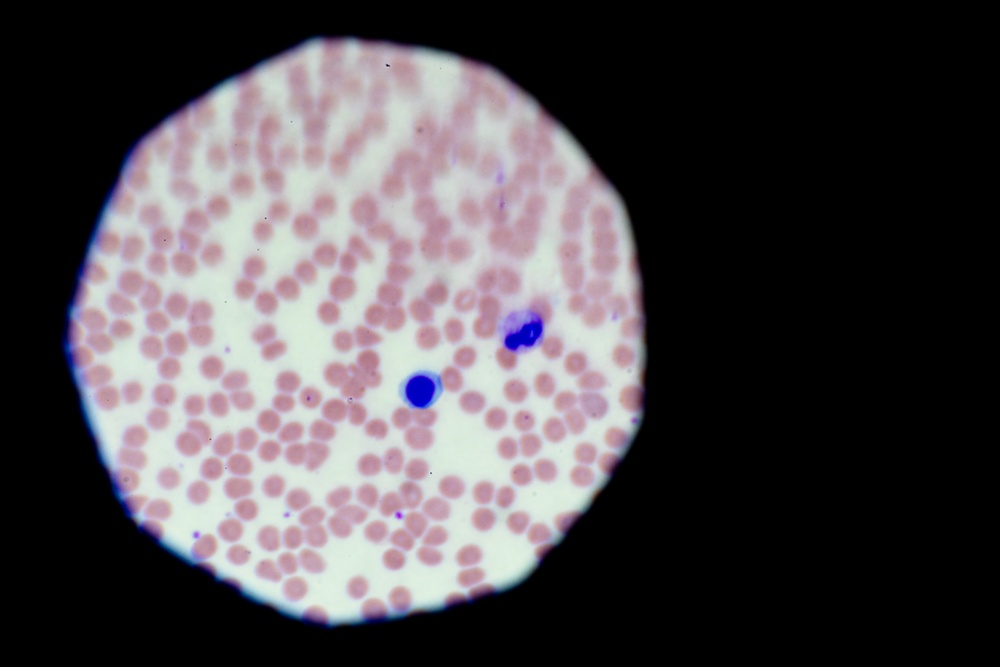
NeoGenomics Laboratories Inc., a Florida-based cancer-testing laboratory, agreed to pay $9,813,260 to settle allegations that it violated the False Claims Act by giving 28 health care providers below-market consulting services to win their lab-testing referrals, the Justice Department announced on Monday, July 20, 2026. The company self-reported the conduct, and the government credited its cooperation in setting the final amount.
Background
The Anti-Kickback Statute bars offering or paying anything of value to induce referrals of items or services reimbursed by federal health care programs such as Medicare and Medicaid. The Stark Law separately prohibits a physician from referring designated health services to an entity with which the physician has a financial relationship, unless a statutory exception applies. Claims submitted in violation of either law can trigger liability under the False Claims Act, which lets the government recover damages and penalties for false claims paid with federal dollars.
NeoGenomics, a Florida-based laboratory that specializes in cancer genetics and diagnostic testing, ran a program it called the Laboratory Clinical Initiative, or LCI. According to the Justice Department, the program offered consulting help to health care providers that wanted to build their own in-house diagnostic capabilities, specifically flow cytometry and Fluorescence In-Situ Hybridization, or FISH, testing used heavily in cancer and blood-disorder diagnosis. Standing up those capabilities requires specialized equipment, validated protocols, and trained staff, and NeoGenomics positioned its LCI consultants to guide providers through the process.
The government's theory was that the consulting came too cheap. By pricing the LCI services below fair market value, DOJ alleged, NeoGenomics gave the 28 participating providers something of value, and did so to induce them to send other clinical laboratory testing back to NeoGenomics. That arrangement, the government said, converted an ordinary business-development program into an illegal inducement scheme.
Key Details
The settlement, announced under Press Release No. 26-810, resolves allegations tied to two distinct compensation practices. First, DOJ alleged that the below-cost LCI consulting itself violated the Anti-Kickback Statute, and that the resulting financial relationships, along with the claims NeoGenomics submitted off the back of them, ran afoul of the Stark Law. Second, the government alleged that NeoGenomics paid independent consultants variable compensation tied to referral volume, rewarding them for identifying potential provider customers whose business would flow to the lab.
What sets this case apart from most laboratory fraud settlements is how it came to light. The matter did not begin with a whistleblower's qui tam lawsuit. NeoGenomics identified the conduct itself and reported it to the government through the HHS Office of Inspector General's Self-Disclosure Protocol. The company then ended the consulting agreements, terminated the employees responsible, and cooperated with investigators. DOJ granted cooperation credit, which reduced the final number.
The Civil Division's Commercial Litigation Branch, Fraud Section, handled the matter alongside HHS-OIG, with Senior Trial Counsel Sarah Arni leading. Assistant Attorney General Brett A. Shumate, who heads the Civil Division, and HHS-OIG Acting Deputy Inspector General for Investigations Miranda L. Bennett both commented on the resolution, with Bennett pointing to the Self-Disclosure Protocol as the mechanism that let the company come forward. DOJ also tied the recovery to two newly launched efforts, a Task Force to Eliminate Fraud and a National Fraud Enforcement Division, signaling where the department is steering its program-integrity work. The claims remain allegations only, and the settlement carries no determination of liability.
Laboratory kickback cases have long been a staple of False Claims Act enforcement, and the diagnostics that NeoGenomics helped providers build out are exactly the kind of high-volume, high-reimbursement testing that draws regulatory attention. Flow cytometry and FISH are cornerstones of modern oncology workups, and every provider that brings that testing in-house becomes a potential referral source for the outside laboratory work it cannot perform itself. That dynamic is what made the LCI program attractive as a business-development tool, and, in the government's account, what made the below-market pricing legally hazardous.
The dollar figure is also worth reading in context. At just under $9.9 million, the settlement reflects a negotiated resolution rather than a litigated judgment, and the cooperation credit DOJ described suggests the exposure could have been higher had the company said nothing. For an industry in which multi-hundred-million-dollar laboratory settlements are not unheard of, the number underscores that early, documented cooperation can meaningfully change the math.
What It Means for Contractors
Though NeoGenomics is a laboratory rather than a defense or civilian-agency contractor, the settlement carries lessons for any organization that bills the federal government or structures deals with parties who steer federal business its way. The False Claims Act reaches far beyond health care, and DOJ's stated priorities here, a dedicated fraud task force and a new enforcement division, point to broader and more aggressive program-integrity enforcement across federal spending.
The most portable lesson is the value of self-disclosure. NeoGenomics did not wait for a relator or a subpoena. By self-reporting through an established protocol, ending the conduct, firing responsible staff, and cooperating, it earned credit that lowered its exposure. Federal contractors have parallel avenues. The FAR mandatory disclosure rule requires contractors to report credible evidence of certain violations, and voluntary disclosure programs across agencies reward companies that come forward before the government finds the problem on its own.
The case is also a reminder that fair market value is not a formality. Pricing a service below its worth to a customer who controls referable business can, in the government's view, be an inducement, even when the service is legitimate and useful. Contractors that provide discounted or free services, training, equipment, or consulting to customers or partners who influence federal purchasing should document that the pricing reflects genuine market value and is not a thumb on the scale for future business.
Finally, variable, volume-based compensation for third parties who identify or steer customers draws scrutiny. Contractors that use commissioned agents, finders, or business-development consultants should confirm those arrangements do not reward referral volume in ways regulators could read as kickbacks. The safest posture is to build compliance review into deal structuring rather than to unwind arrangements after the government comes knocking.
