
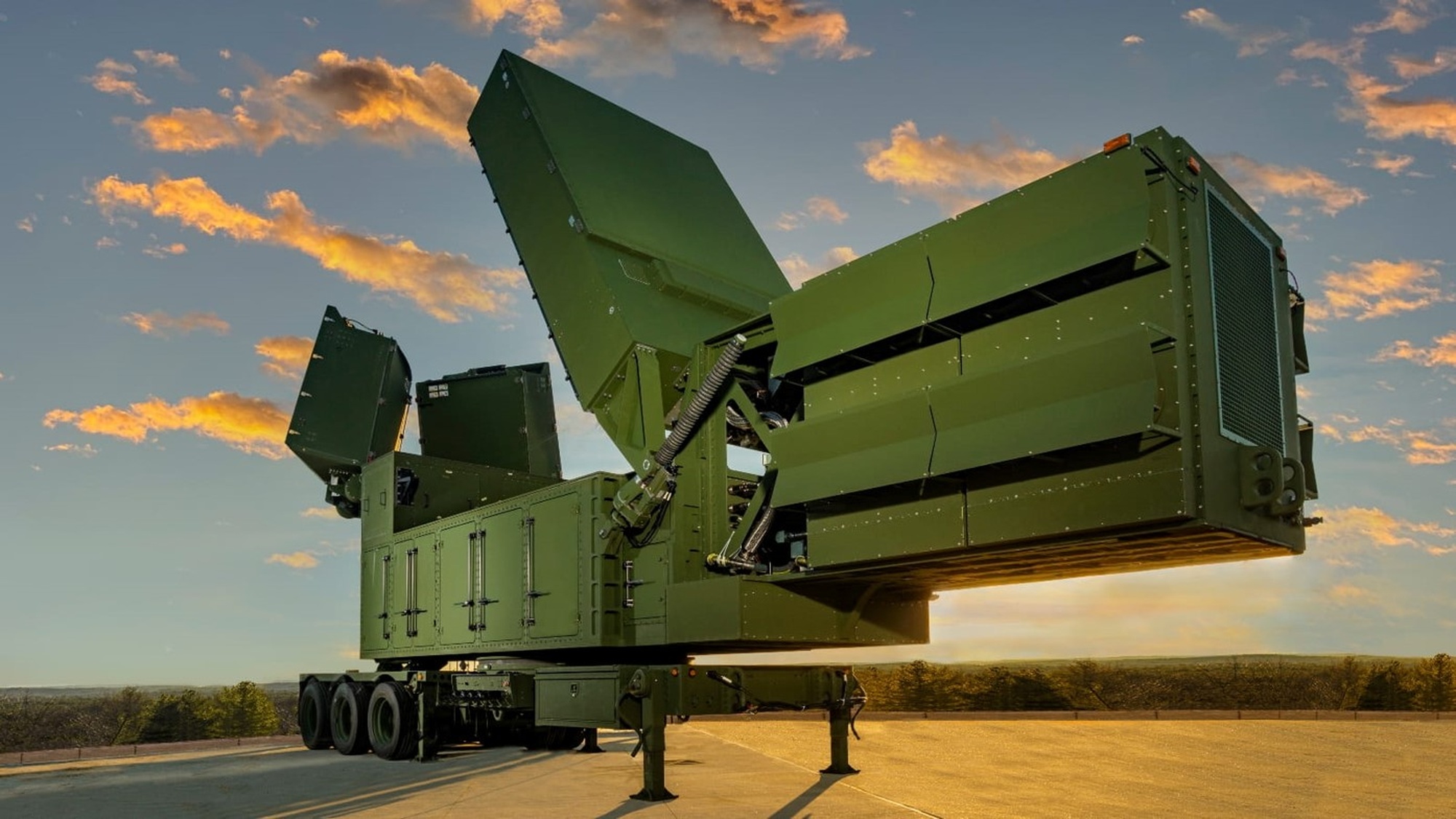
The Army has awarded Lockheed Martin Missile and Fire Control a $347,500,000 contract to prototype improvements to air and missile defense systems, the Department of War announced July 2, 2026. The cost-plus-incentive-fee award went to Lockheed's Grand Prairie, Texas facility after a solicitation that drew only one bid.
Background
The Army Contracting Command at Redstone Arsenal, Alabama, is the contracting activity behind the award, placing it inside the Army's air and missile defense acquisition ecosystem centered in Huntsville. Redstone Arsenal hosts the Army's Program Executive Office for Missiles and Space, which oversees development of interceptors, radars, and battle-management systems fielded against ballistic, cruise, and hypersonic threats. Lockheed Martin Missile and Fire Control, the business unit named in the award, already builds several of the interceptor and fire-control systems the Army fields out of that same office, giving the Grand Prairie facility deep familiarity with the technical baselines any new prototype work would build on.
Lockheed Martin has been a recurring recipient of Army contract dollars in 2026. ExecutiveBiz noted that this award follows an $8.4 billion Precision Strike Missile production modification and a $3 billion Guided Multiple Launch Rocket System contract the company received earlier this year. This new contract is distinct from those production-line deals. The July 2 announcement describes the work as "development, fabrication and testing of improvements to prototype air and missile defense systems," language that points to research and prototyping rather than manufacturing a fielded weapon in volume. That distinction matters for how the Army books and manages the money: prototype development contracts are typically structured to absorb technical risk and design iteration, while production contracts lock in a defined unit and a fixed manufacturing schedule.
The Department of War's contract announcement does not name a specific missile, interceptor, or radar system tied to the award, and no secondary reporting identified one either. ExecutiveBiz and Defence Blog both confirmed the dollar figure, the contracting office, and the completion date without adding a program name, suggesting the omission reflects the announcement's own limited disclosure rather than a reporting gap. Daily Department of War contract notices routinely withhold program-level detail on sensitive research efforts, listing only the funding vehicle, dollar ceiling, and a general description of the work, so the absence of a named system here is consistent with how the department handles other prototyping awards in its daily contract log.
Key Details
The contract carries the number W31P4Q-26-F-0114 and was issued as a cost-plus-incentive-fee vehicle, a structure the Army typically reserves for research and development work where costs and technical outcomes are harder to fix in advance than they are on a production contract. The solicitation was posted online, and the Army received exactly one bid in response.
Work under the contract runs through an estimated completion date of December 31, 2028, giving Lockheed roughly two and a half years to deliver the prototype improvements. The announcement states that work locations and funding will be determined with each individual order placed under the contract, meaning the $347.5 million ceiling will be allocated incrementally rather than obligated in a lump sum at signing.
Because the contract does not name the specific system undergoing improvement, the scope could touch any of several programs managed out of Redstone Arsenal's missile defense portfolio, from terminal-phase interceptors to sensor and fire-control upgrades. The single-bid outcome is itself notable: Army air and missile defense prototyping work of this size more commonly draws competition among the small group of primes with relevant interceptor or radar expertise. A sole response suggests either a narrow technical requirement that only Lockheed could meet, an incumbency advantage tied to an existing Lockheed-built system, or a compressed solicitation window that discouraged competitors from bidding. The contract's cost-plus-incentive-fee structure ties part of Lockheed's fee to performance against cost, schedule, or technical targets set in the individual task orders, giving the Army a lever to reward efficient execution over the life of the roughly two-and-a-half-year period of performance.
The Department of War's daily contract announcements, of which this award is one line, typically disclose only the information included in the official notice — contractor name, location, dollar value, a brief work description, contracting office, solicitation method, number of bids, and completion date. ExecutiveBiz and Defence Blog both republished those same core facts, and neither outlet reported follow-up comment from Lockheed Martin or the Army beyond the original notice.
What It Means for Contractors
The award reinforces Redstone Arsenal's role as the Army's primary hub for missile defense prototyping dollars, and it signals continued Army investment in improving existing air and missile defense architectures rather than only buying more of what is already in production. Contractors tracking the missile defense market should note that this is R&D money, not a production ramp — the cost-plus-incentive-fee structure and prototype-and-test scope mean the contract is funding engineering work now, with any resulting production decisions following later and subject to separate competition.
The single-bid result is worth watching for competitors in this space. When an Army air and missile defense solicitation draws only one response, it often reflects a requirement drafted around a specific existing system or a short response window that smaller or non-incumbent firms could not meet. Companies pursuing missile defense prototyping work should track how Army Contracting Command structures similar solicitations at Redstone Arsenal going forward, since documents describing overly narrow technical requirements or unusually tight turnaround times can be challenged before award through the solicitation's Q&A process, and subcontracting or teaming opportunities under this contract may open once Lockheed begins issuing individual task orders.
Because the announcement withholds the specific system name, industry teams cannot yet determine whether this prototyping effort feeds an existing interceptor line, a new sensor capability, or a battle-management upgrade. Firms with air and missile defense expertise should monitor Army Contracting Command's Redstone Arsenal solicitations and any follow-on task-order notices for signs of which specific program this work supports, since task orders issued under the contract could reveal subcontracting entry points as the work locations and funding are determined order by order through 2028.
