
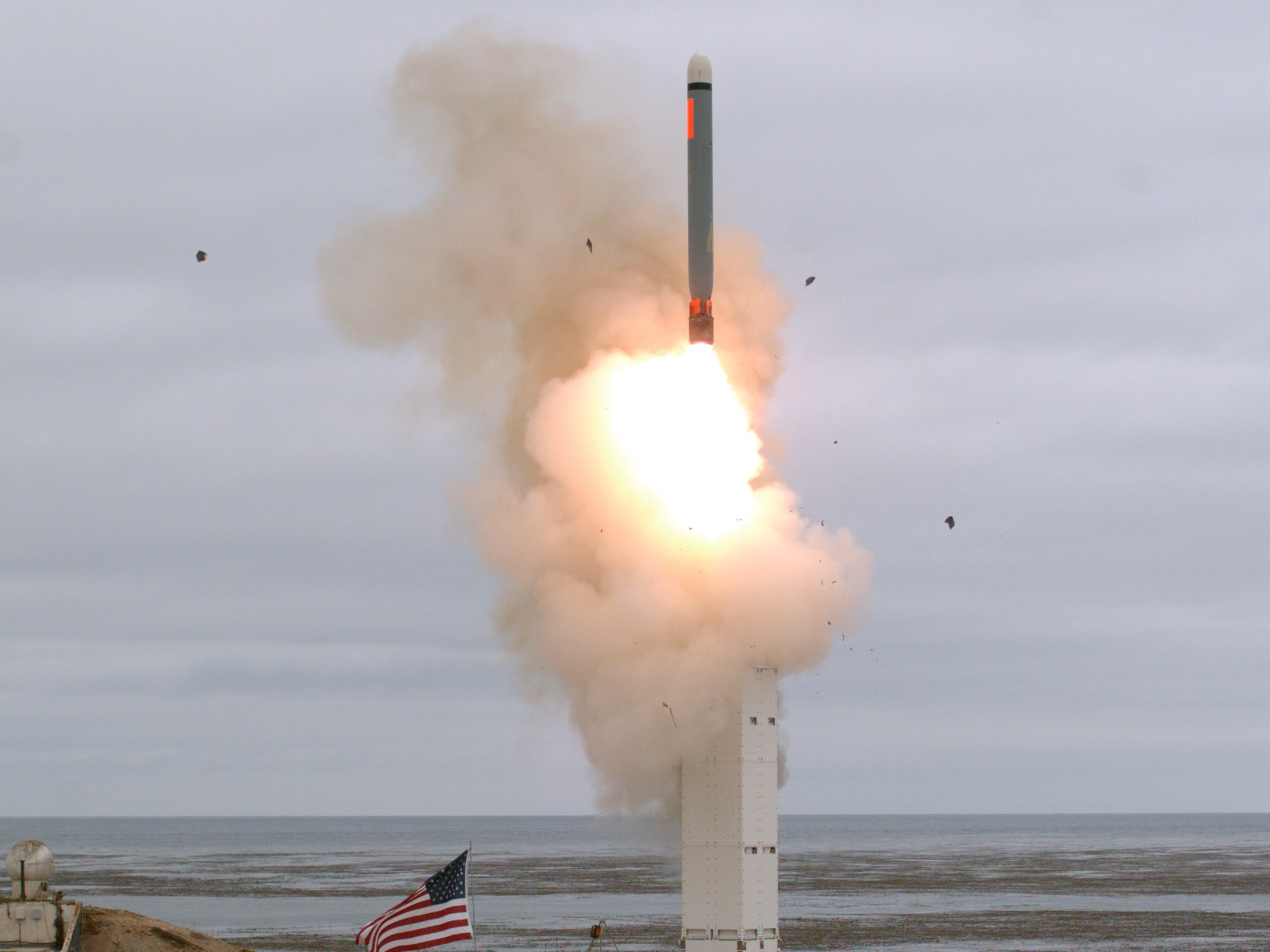
The Defense Innovation Unit has opened the Ground-Based Affordable Mass, or G-BAM, Prize Challenge, a competition backed by up to $250 million that asks industry to deliver affordable, long-range, ground-launched precision-strike systems on an aggressive timeline. DIU wants demonstrators it can watch fly within 60 to 90 days and production lines that can scale within 12 to 18 months, and it has scheduled a live demonstration for early November 2026 at a government-selected test site.
Background
The Pentagon has spent the past two years pushing the idea of affordable mass, the argument that fielding large quantities of cheaper, attritable munitions matters as much as buying small numbers of exquisite platforms. G-BAM applies that logic to ground-launched precision fires. DIU frames the effort as an open commercial competition rather than a directed buy: no incumbent weapon, aircraft, or contractor is named, and any qualified vendor may submit a white paper and pitch deck.
The challenge is explicitly aligned with the newly established Direct Reporting Portfolio Manager for Unmanned Systems, known as DRPM-UxS, which the department has designated as its single joint integrator for unmanned and autonomous systems. That alignment signals the department wants whatever emerges from G-BAM to plug into a broader autonomy portfolio, not sit as a one-off procurement. Breaking Defense reported on July 24 that the department plans $250 million for the initiative and expects candidate systems to be demonstrable within three months and production-ready inside 12 to 18 months.
The competition also reflects a shift in how DIU sources fires. By stating hard numbers up front rather than issuing a broad request for information, DIU is telling vendors exactly what a winning bid must hit, which shortens the guessing that often stretches early proposal cycles. Companies that can map their existing datasheets against the range, cost, payload, and production figures will know within an afternoon whether they belong in the pool.
Key Details
DIU has set a high technical bar. The challenge states a preference for systems with a range of 600 or more nautical miles, an all-up flyaway cost below $250,000 at scale, and a cost-per-effect under $500,000. Payload capacity should reach at least 35 pounds, with 100 pounds or more preferred. Vendors must show they can build at volume, with a target production capacity of 100 or more systems per month. Critically, the systems must remain mission-capable in GPS-denied and contested electromagnetic environments.
Beyond those thresholds, DIU lists a slate of desired features: automatic target recognition, autonomy-enabled terminal guidance, alternative navigation that does not depend on GPS, post-launch retasking, an open system architecture, and a domestic supply chain.
The prize structure rewards teams that survive to the demonstration phase. Phase 2 demonstrators receive a $250,000 cash award. Top-rated solutions can win up to $5 million to, in DIU's words, immediately deliver operational test quantities. The overall government commitment of up to $250 million covers prize execution and follow-on transition activities, meaning the money is meant to carry winning designs beyond a demo and toward fielding.
The timeline is tight. White paper and pitch deck submissions are due August 5, 2026, by 23:59:59 Eastern Time. DIU plans to hold the Phase 2 live demonstration in early November 2026 at a government-selected test site. That schedule leaves selected vendors roughly a quarter to move from paper to a flight-capable article, consistent with the 60-to-90-day demonstration window the challenge describes.
What It Means for Contractors
G-BAM is structured to reward companies that already have hardware maturing on the bench, not those starting from a concept. The 60-to-90-day demonstration window and the August 5 submission deadline favor vendors who can pull an existing airframe, propulsion package, or guidance stack off a shelf and integrate quickly. Firms without flight-ready subsystems will struggle to compete on this cycle.
The cost targets are the defining constraint. A sub-$250,000 flyaway price at scale and a cost-per-effect below $500,000 push vendors toward commercial components, additive manufacturing, and simplified designs rather than traditional missile bills of materials. Contractors that can document a domestic supply chain and a genuine path to 100-plus units per month will screen better than those offering superior performance at boutique quantities, because DIU is buying mass as much as capability.
The GPS-denied requirement and the emphasis on autonomy-enabled terminal guidance, automatic target recognition, and alternative navigation create openings for software and autonomy firms, not just traditional weapons primes. A company that supplies a resilient navigation or targeting payload could partner with an airframe builder rather than field a complete system alone. The open-architecture preference reinforces that modular, partner-friendly bids are welcome.
For smaller firms, the retasking and open-architecture preferences matter as much as the topline range figure. A system that can be redirected after launch and that exposes documented interfaces is easier to fold into the joint autonomy portfolio DRPM-UxS oversees, and it lowers the integration burden the government would otherwise carry across hundreds of platforms. Vendors that treat those features as core rather than optional are reading the challenge the way DIU wrote it.
Contractors should also read the DRPM-UxS alignment as a signal about where this program is headed. Tying G-BAM to the Pentagon's joint integrator for unmanned systems suggests that winning designs may face standardized interface and interoperability expectations, and that success in the challenge could open a transition path rather than end at a demonstration check. The up-to-$5 million awards for operational test quantities point toward near-term buys of real hardware for the best performers.
The prize-challenge model itself carries a familiar tradeoff. It compresses the usual acquisition cycle and lets non-traditional vendors compete on a level entry point, but it also front-loads risk onto companies that must invest their own resources to reach a live demonstration before any large award is guaranteed. The $250,000 Phase 2 award offsets some of that cost, though it will not fully fund a from-scratch development effort. Companies weighing a bid should judge honestly whether their technology can survive a November flight test, because DIU has made clear it wants to see systems fly, not just read about them.
