
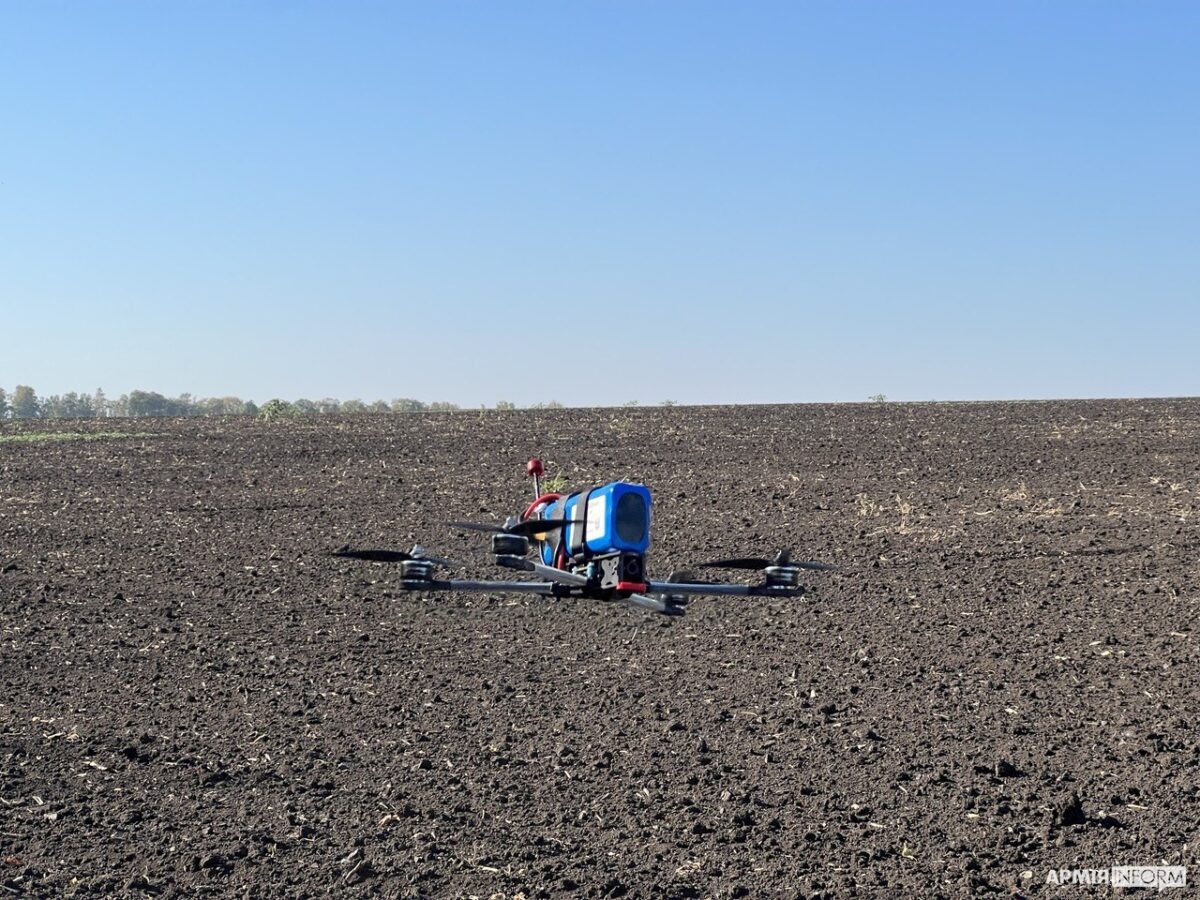
The Pentagon has started paying out for its second drone shootout, and the first disclosed orders put four small-drone makers on the hook for at least 17,000 aircraft, with Defense Daily putting unit costs at $6,100 to $6,750. Defense Daily reported on Oct. 16 that the Defense Department awarded Neros $100 million, XTEND AI Robotics $40.5 million, Orqa US $38 million and Swarm Defense Technologies at least $25 million following the Drone Dominance Program's Gauntlet II competition. Together, the disclosed figures come to at least $203.5 million.
The awards follow the competition's results, which DefenseScoop reported on Sept. 18. The Defense Innovation Unit, which runs the program, ranked vendors in two mission areas, deep strike and close quarters battle, and the department said it plans to buy about 60,000 drones from that pool of vendors.
Who Got Paid After Gauntlet II, and How Much Per Drone?
Defense Daily's column broke the awards out company by company, and three of the four come with quantities that let readers check the price per aircraft.
- Neros won the Close Quarters category and placed third in the Deep Strike mission. It "received $100 million from DoD," according to Defense Daily. The column did not give a drone count for Neros, so a unit price cannot be derived from the reporting.
- XTEND AI Robotics received $40.5 million for 6,000 STRIKER small drones after its third-place finish in Close Quarters Battle. "The unit cost for the STRIKER is $6,750 based on the award value," Defense Daily wrote.
- Orqa US, second in Close Quarters Battle, received a $38 million order for 7,000 drones, a unit cost of $6,100 per the column. That figure does not match the other two numbers: $38 million divided by 7,000 drones is about $5,429, so either the quantity, the dollar value or the unit cost as reported is off. The company said its 8-inch drone and ground control system come from its MRM2 suite of products.
- Swarm Defense Technologies, fifth in Deep Strike, said its award for 4,000 Kiwi one-way attack drones is worth at least $25 million, which Defense Daily put at $6,250 per Kiwi. The Michigan-based company will build the drones at its 40,000-square-foot facility.
The three priced orders cluster in a narrow band. Using Defense Daily's stated unit costs, the spread between the cheapest (Orqa at $6,100) and the most expensive (XTEND at $6,750) is $650 per aircraft, or about 10%. Recomputing from award value and quantity, XTEND ($40.5 million over 6,000) and Swarm ($25 million over 4,000) check out at $6,750 and $6,250, while Orqa works out to roughly $5,429, which would widen the spread to about $1,320, or 24% of the low figure.
The 17,000 aircraft covered by the XTEND, Orqa and Swarm orders account for a little over a quarter of the roughly 60,000 drones DefenseScoop said the department plans to buy from Gauntlet 2 vendors.
What Gauntlet 2 Tested at Fort Carson
Gauntlet 2 ran at Fort Carson, Colorado, after the first round at Fort Benning, Georgia, which DefenseScoop said led to the order of approximately 30,000 UAS. DIU described the second event as a harder test with longer reach.
"Gauntlet 2 was the Drone Dominance Program’s most demanding test to date. Operators pushed participants to their limits, flying 1,858 sorties across 23 platforms from 19 companies," DIU officials wrote on the unit's X account, as quoted by DefenseScoop. They added that each of the 11 platforms evaluated at long distance reached 15 km, compared with Gauntlet 1, when only 24% of drones managed to reach 10 km.
The deep strike leaderboard ran Perennial Autonomy, Hyperscale, Neros, Skycutter and Swarm Defense Technologies. The close quarters battle leaderboard ran Neros, ORQA US, XTEND Reality, Vector and ModalAI, according to the program website cited by DefenseScoop. Officials said the Gauntlet 2 drones are "cheaper, more capable, and sourced from a supply chain more closely tied to the American industrial base" than the Gauntlet 1 field.
Neros is the only company to place on both leaderboards, which tracks with it drawing the largest disclosed check. Defense Daily's column did not report award amounts for Perennial Autonomy, Hyperscale, Skycutter, Vector or ModalAI.
Gaps in the $203.5M Public Record
The dollar figures in this story come from Defense Daily's reporting and, in Swarm's case, from the company's own statement; GovConFeed did not locate a Defense Department contract announcement listing the awards. Several details remain unreported:
- The contract vehicle and contracting office behind the orders.
- Neros's drone quantity and unit price.
- Whether the Swarm figure, described as "at least" $25 million, includes options above that floor.
- Delivery schedules for any of the four orders.
The two outlets also use different company names in places. DefenseScoop lists the close quarters runner-up as ORQA US and the third-place finisher as XTEND Reality; Defense Daily refers to XTEND AI Robotics and Orqa US (one passage spells it "Orqa UA").
Where the 200,000-Drone Goal Goes Next
The department aims to acquire more than 200,000 UAS across several phases of the Drone Dominance Program by 2027, according to DefenseScoop. Gauntlet 1 produced about 30,000 ordered systems, and the Gauntlet 2 plan adds about 60,000 more.
The next rounds follow quickly. DefenseScoop reported that officials planned to start Gauntlet 2.5, focused on "bomber" drones, the month after the Gauntlet 2 results, with Gauntlet 3 slated for about six months after Gauntlet 2. Gauntlet 4, billed as the final round, is expected about six months after Gauntlet 3 wraps up.
What It Means for Contractors
The Gauntlet II orders give small-drone makers the clearest public pricing signal yet for Pentagon one-way attack and close-quarters drones: roughly $5,400 to $6,750 per aircraft (by the reported figures, with Orqa's stated $6,100 unit cost not reconciling to its award) at volumes of 4,000 to 7,000 units. Companies preparing for Gauntlet 3 can use that band to judge how their bill of materials and production rate stack up.
The program also rewards placement directly. Neros's two leaderboard finishes preceded the largest disclosed award, and the fifth-place Deep Strike finisher still won a 4,000-drone order. With the department planning to buy roughly 60,000 drones from the Gauntlet 2 pool, more orders could follow for companies on the leaderboards.
Suppliers further down the chain should watch the domestic-sourcing language. DIU's emphasis on a supply chain "more closely tied to the American industrial base" signals that component origin counted in this round and is likely to count again. Swarm's plan to build the Kiwi at a 40,000-square-foot Michigan facility shows the kind of U.S. production footprint winners are advertising.
Firms that missed Gauntlet 2 have two nearer-term entry points: the bomber-focused Gauntlet 2.5 and Gauntlet 3. Each round so far has produced orders measured in thousands of aircraft rather than prototype quantities.
