
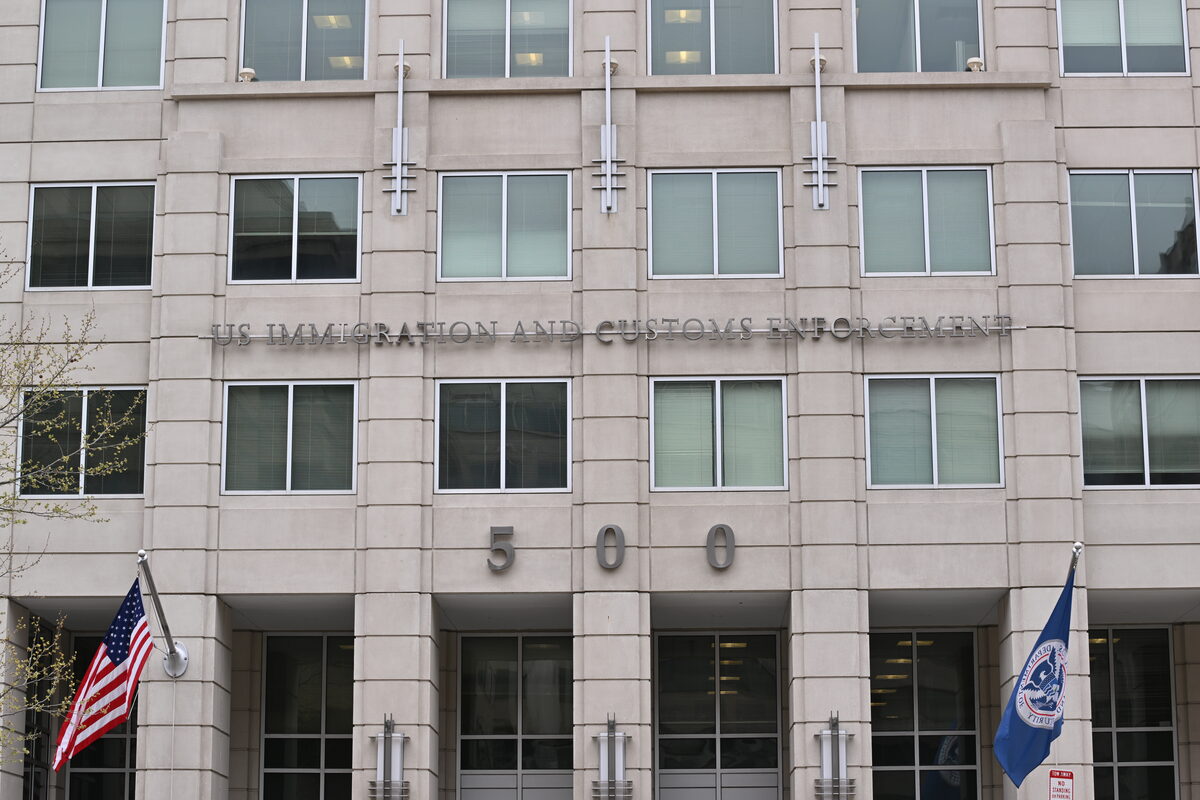
The Government Accountability Office has sustained a bid protest that turned an agency's own corrective action into the very source of a fresh, sustainable error. In "Corrective Action Gone Wrong - GAO Sustains Protest of Reevaluation," published by Bradley Arant Boult Cummings in the National Law Review on May 27, 2026, the firm walks through a decision in which the Department of Homeland Security's Immigration and Customs Enforcement (ICE) reevaluated proposals after taking voluntary corrective action - and then made the same award to the same higher-priced offeror, this time on a record GAO found legally indefensible.
The protester, N&S Property Services, LLC, is the 8(a) small business that brought the challenge. The competition was an 8(a) set-aside for facility operations and maintenance (O&M) services at Fort Benning, Georgia, supporting ICE's Office of Firearms and Training Program. The awardee, KCorp Reliance Company, Inc., carried a significantly higher price than N&S. The GAO docket numbers are B-423852.2 and B-423852.3, reflecting that this was N&S's second trip to GAO on the same procurement.
How the Procurement Reached a Second Protest
The sequence matters. N&S first protested the original award to KCorp. Rather than defend that award, ICE took voluntary corrective action, promising to reevaluate proposals. GAO then dismissed the initial protest as academic - the standard result when an agency commits to reopening the evaluation, because there is no longer a live award decision for GAO to review.
Corrective action is supposed to fix problems, not relocate them. But on reevaluation, ICE again selected KCorp despite KCorp's significantly higher price relative to N&S. N&S protested a second time, and on this record GAO sustained the protest. As the Bradley alert frames it, the case is a cautionary tale: a do-over evaluation gives an agency a clean slate, but it also gives the agency a fresh opportunity to commit fresh, reviewable errors.
Unstated Evaluation Criteria and the Building Operating Plan
The first ground GAO sustained concerned unstated evaluation criteria tied to the solicitation's Building Operating Plan requirement. According to the alert, ICE effectively held N&S to a standard the solicitation did not impose. GAO's governing principle here is well established and was central to the decision: agencies "may not penalize offerors for failing to provide documents or information that the solicitation does not require." When evaluators downgrade a proposal for omitting something the solicitation never asked for, they are applying an unstated criterion - and that is reversible error.
This is a recurring trap in reevaluations. An agency reopening an evaluation often takes a harder look at the proposals, and in doing so may begin enforcing expectations that exist in the evaluators' minds rather than in the solicitation's text. The Building Operating Plan analysis in this case illustrates how a reevaluation can drift away from the document offerors actually competed against.
"Raises Confidence" Findings That Were Not Documented or Defended
The second sustained ground went to documentation. During the reevaluation, ICE added two new "raises confidence" findings to KCorp's proposal. Per the alert, those findings were inadequately documented and were not meaningfully defended in the agency report submitted to GAO during the protest.
That combination is fatal. GAO does not require an agency to assign any particular adjectival rating, but it does require contemporaneous documentation sufficient to show the evaluation was reasonable and consistent with the stated criteria. When new positive findings appear in a reevaluation and the agency cannot explain - in the record or in its report - why those findings are justified, GAO has no basis to conclude the evaluation was reasonable. New favorable findings for the awardee, generated during corrective action and left unexplained, are exactly the kind of error that survives review.
Flawed Findings, the Tradeoff, and Competitive Prejudice
The two evaluation defects did not exist in a vacuum. GAO found that ICE's source-selection authority relied on the flawed technical findings in conducting the best-value, price/technical tradeoff. Because KCorp's price was significantly higher than N&S's, the tradeoff had to rest on technical distinctions strong enough to justify paying the premium. When the technical findings underpinning that justification are themselves unreasonable, the tradeoff collapses.
That linkage is what established competitive prejudice - the requirement that a protester show a reasonable possibility it was harmed by the agency's errors. With the awardee's higher price and the protester's lower price, and with the technical basis for choosing the higher-priced offeror discredited, GAO had a clear path to conclude N&S had a substantial chance of award but for the flawed evaluation. The exact GAO decision date is not stated in the alert; it is described as a recent decision covered by the May 27, 2026 Bradley publication.
What It Means for Contractors
The central lesson is that corrective action is not a safe harbor. An agency that reopens an evaluation to cure one defect can introduce new, independently sustainable errors - and a second award to the same awardee, on a fresh record, is fully reviewable. Contractors who lost the first round should not assume corrective action will fix things in their favor, nor should they assume a renewed award to the original awardee is unassailable. The reevaluation record is the record GAO will examine, and it is often thinner and more hastily assembled than the original.
The decision also reaffirms a protest argument with broad application: an agency cannot penalize an offeror for omitting documents or information the solicitation did not require. If your proposal was downgraded for failing to supply something the solicitation never called for, that is unstated-criteria error worth pressing. By the same token, watch for new positive findings credited to the awardee during a reevaluation. Where those "raises confidence" judgments are not documented contemporaneously and not defended in the agency report, the agency may be unable to sustain them under GAO scrutiny.
Finally, the case is a reminder of how protesters use the reevaluation record itself. Comparing the original evaluation against the redo can expose newly invented strengths, shifting standards, and a tradeoff that leans on technical findings the record does not support. When a higher-priced awardee prevails, the price premium puts pressure on every technical distinction the agency cites - and any distinction the agency cannot defend can carry the prejudice needed to sustain a protest. Document requests, evaluator narratives, and source-selection decision documents from both rounds are where these errors surface.
Sources
Bradley Arant Boult Cummings, "Corrective Action Gone Wrong - GAO Sustains Protest of Reevaluation," National Law Review, May 27, 2026
Bradley Arant Boult Cummings, "Corrective Action Gone Wrong - GAO Sustains Protest of Reevaluation," JDSupra, May 27, 2026
