
Universal Environmental Services, LLC, a Peachtree City, Georgia subsidiary of German conglomerate Avista Oil Group, has agreed to pay $2.6 million to resolve False Claims Act allegations tied to a federally backed loan the company obtained and later had forgiven during the COVID-19 pandemic. The U.S. Attorney's Office for the Northern District of Georgia announced the settlement July 27, closing out a whistleblower case that traced back to the company's 2020 application for a second-draw Paycheck Protection Program loan.
Background
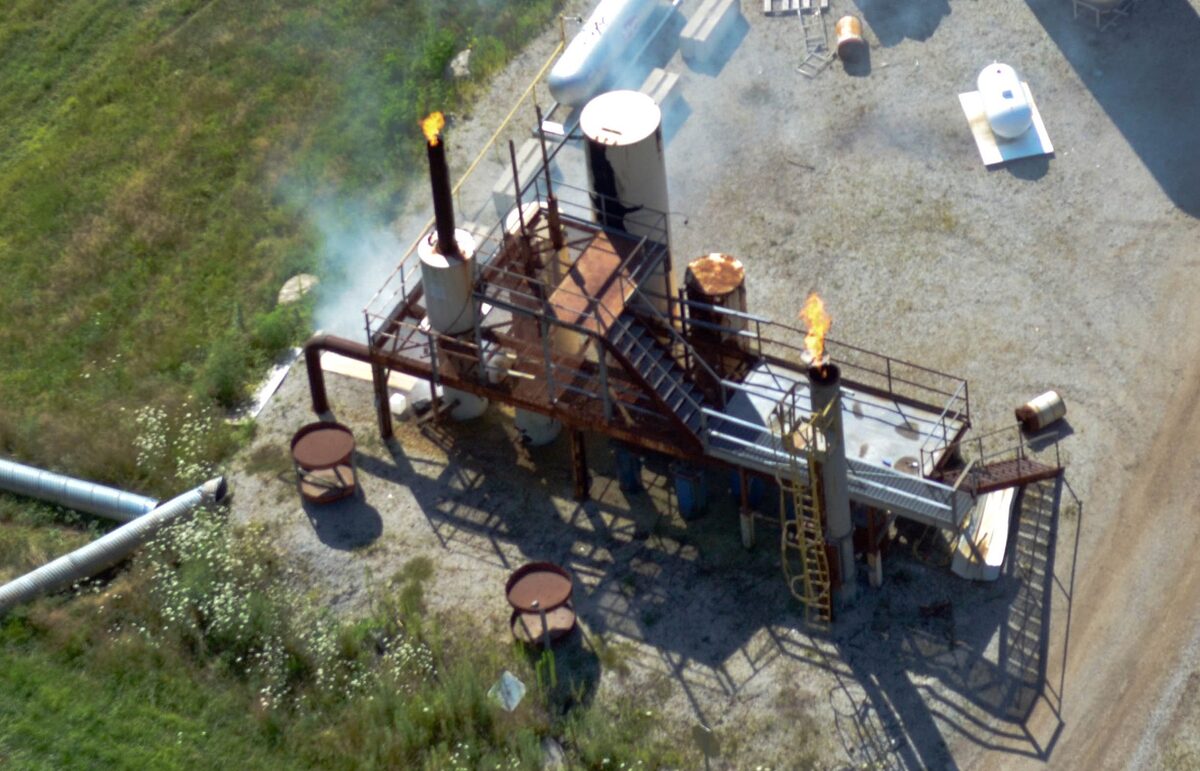
UES operates an oil re-refinery in Peachtree City that processes used oil into reusable base products. The company is part of Avista Oil Group, a German conglomerate, according to federal prosecutors. When Congress created the Paycheck Protection Program in 2020 to keep workers on payroll during pandemic shutdowns, the Small Business Administration set eligibility rules that counted not just a single applicant's headcount but the combined workforce of affiliated companies under common ownership. A business tied to a large corporate family could be disqualified even if its own local office looked small on paper.
That affiliation rule became the center of the case against UES. The government alleged that when UES applied for a second-draw PPP loan in 2020, it reported only its domestic headcount rather than the full employee count of the broader Avista corporate family, a workforce the government says exceeded 300 people once affiliates were included. The SBA guaranteed the loan, a lender funded it, and UES later applied for and received forgiveness, meaning the SBA paid off the roughly $2 million balance directly rather than the company repaying it.
The case did not originate with a government audit. It was filed as a qui tam lawsuit under the False Claims Act's whistleblower provisions, which let private parties sue on the government's behalf when they have evidence of fraud against federal programs and share in any recovery. The whistleblower here, an entity called Verity Investigations LLC, brought the underlying allegations to federal prosecutors, who then investigated and negotiated the settlement.
Key Details
According to the Justice Department, UES reported 287 domestic employees on its second-draw PPP application while omitting employees across the rest of the Avista corporate family. The government contends that once the affiliated workforce was counted, as SBA rules for PPP eligibility require, UES did not qualify for the loan under the size and headcount thresholds that applied to second-draw borrowers. The SBA had already guaranteed and funded the roughly $2 million loan by the time the discrepancy came to light, and the agency paid off the loan after UES obtained forgiveness, shifting the cost to taxpayers. The underlying lawsuit, United States ex rel. Verity Investigations LLC v. Universal Environmental Services, LLC, was filed in the U.S. District Court for the Northern District of Georgia and docketed as No. 3:24-cv-00109-LMM.
Under the settlement, UES will pay $2.6 million total, an amount that reflects the loan principal plus penalties and damages authorized under the False Claims Act, which allows the government to recover multiples of the loss it suffered from a false claim. Verity Investigations LLC, the whistleblower, will receive $312,000 of that total plus attorney's fees, the standard mechanism by which qui tam relators are compensated for bringing fraud to the government's attention.
U.S. Attorney Theodore S. Hertzberg, whose office covers the Northern District of Georgia, framed the settlement as part of a broader effort to police pandemic-relief spending. "When people provide false information to obtain government-backed loans, they break the law and misdirect resources away from those who need them," Hertzberg said in the office's announcement. Assistant U.S. Attorney Anthony DeCinque handled the matter for the office.
The settlement resolves the allegations without a determination of liability, a standard feature of False Claims Act settlements. No individual executives were named, and the resolution applies to the corporate entity, UES, rather than to Avista Oil Group as a whole.
What It Means for Contractors
The UES settlement is a reminder that federal fraud enforcement did not stop when pandemic relief programs closed their doors. PPP loans were disbursed in 2020 and 2021, but the False Claims Act carries a limitations period long enough that the Justice Department is still pursuing cases years later, often built on whistleblower tips rather than routine audits. Companies that received PPP funds and assumed the risk had passed should not treat that assumption as settled.
For contractors and subsidiaries of larger corporate families, in particular, the case underscores how unforgiving the SBA's affiliation rules can be. A domestic entity that looks eligible in isolation may not be eligible once a parent company's or sister company's headcount is folded in, and getting that calculation wrong, even without intent to deceive, can expose a company to False Claims Act liability if the government characterizes the error as a false certification. Any business that applied for PPP funding as part of a multinational or multi-entity structure has an incentive to revisit how it calculated eligibility at the time, particularly if outside counsel was not involved in that calculation.
The case also illustrates the continuing reach of qui tam litigation as an enforcement tool. Whistleblowers, in this instance an investigative entity rather than a former employee, can build a case using public records, corporate filings, and other available information, then bring it to prosecutors who have the subpoena power to develop it further. The $312,000 relator's share paid to Verity Investigations LLC is a modest sum relative to some False Claims Act payouts, but it demonstrates that the incentive structure works even on settlements well under $10 million, and it signals to other potential whistleblowers that smaller PPP-related discrepancies remain worth reporting.
Finally, the settlement adds to a growing list of PPP-related False Claims Act resolutions that federal prosecutors have pursued across multiple districts, reflecting a sustained enforcement posture around COVID-era relief spending rather than an isolated case. Contractors and small businesses that participated in PPP, and especially those with any corporate affiliation that could affect a headcount calculation, should treat their loan files as documents that remain subject to scrutiny, not closed matters. Separately from qui tam suits like this one, the Justice Department has said it continues to accept reports of suspected pandemic-relief fraud through the National Center for Disaster Fraud and the SBA's Office of Inspector General, additional channels available to anyone who suspects a PPP borrower misstated its eligibility.
