Guides
Evergreen explainers on how federal contracting actually works — certifications, contract types, protests, and compliance.
-
Guides
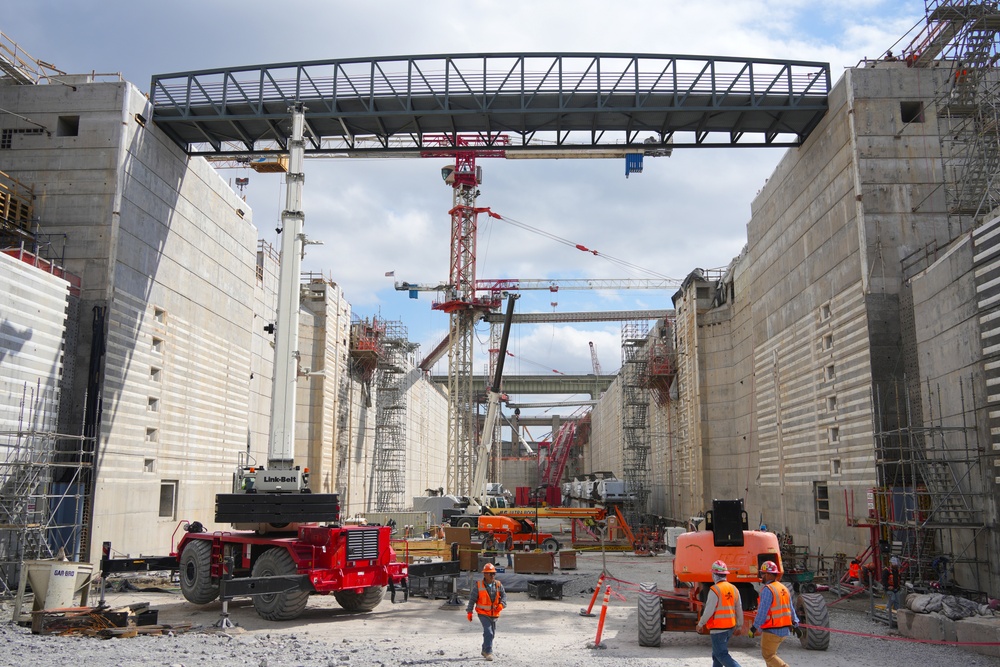
Federal Construction Bonds: What the Miller Act Requires
FAR Part 28 requires performance and payment bonds on federal construction above $150,000, a bid guarantee of at least 20 percent, and two or more alternative protections in the $35,000 to $150,000 tier. The thresholds, the Miller Act deadlines and the SBA guarantee.
-
Guides
LPTA vs. Best Value: How Agencies Choose Source Selection
Federal buyers pick winners along a best-value continuum, from tradeoff awards that reward technical merit to lowest-price technically acceptable. New DFARS limits now steer DoD away from LPTA on knowledge-based services. What each approach means for your bid.
-
Guides
SBA Affiliation Rules: How Size Is Counted Against You
The SBA measures small-business size by adding a firm to every company it can control, not just those it owns. This guide explains 13 CFR 121.103 affiliation: the totality test, stock, management and identity-of-interest bases, the ostensible subcontractor trap, and how to check your status before you certify.
-
Guides
Appealing a Contracting Officer: Boards vs. the Court
A contracting officer's final decision starts two clocks: 90 days to appeal to a board of contract appeals, or 12 months to sue at the Court of Federal Claims. Here's how a claim becomes a decision and how to preserve your appeal rights under FAR Part 33.
-
Guides
Incurred Cost Submissions: The DCAA 6-Month Deadline
FAR 52.216-7 requires a final indirect cost rate proposal within six months of your fiscal year-end. Here is what makes a submission adequate, how DCAA and the contracting officer set final rates, and the 120-day closeout clock after settlement.
-
Guides
Option Exercise: The CMMC and SPRS Gates in DFARS 217
FAR 17.207 sets seven conditions a contracting officer must document before exercising an option. DFARS 217.207 adds three that are entirely yours: active SAM registration, an SPRS score under three years old, and current CMMC status. A reference guide to the mechanics and the ceilings.
-
Guides
Found Nonresponsible? The SBA Certificate of Competency
A nonresponsibility determination is not the end of the road for a small business. FAR 19.6 requires the contracting officer to refer you to SBA and withhold award for 15 business days. Here is how the Certificate of Competency process works, and where applications fail.
-
Guides
How to Read Section L and Section M in a Federal RFP
Section L tells you how to build a federal proposal; Section M tells you how it will be graded. This guide breaks down what FAR 15.304 and 15.305 require agencies to disclose, what they may withhold, and where the rules let you protest an off-script evaluation.
-
Guides
Termination for Convenience vs. Default: FAR Part 49
Termination for convenience pays you fairly; termination for default can leave you owing reprocurement costs. A FAR Part 49 guide to the cure notice, the seven-factor test, the excusable-delay shield, and how a wrongful default converts to a convenience termination.
-
Guides
Subcontracting Plans: The $900K Trigger and Contents
A subcontracting plan is now required when a federal contract is expected to exceed $900,000 ($2 million for construction). Here is what FAR Subpart 19.7 requires in the plan, the three plan types, and how contracting officers enforce it through liquidated damages.
-
Guides
Novation Under FAR 42.12 and the Recertification Trap
When a contractor is acquired, FAR 42.1204 decides whether the Government recognizes the buyer, and 13 CFR 125.12 — not the outdated 121.404(g) — sets a 30-day recertification clock and a 180-day pre-award rule. What to file, and when.
-
Guides
REAs vs. Claims: The $350,000 Certification Trap
A request for equitable adjustment and a CDA claim can look identical and carry entirely different rights. The DoD REA certification triggers at the $350,000 simplified acquisition threshold — not the $250,000 most guides print — and only a claim earns CDA interest.