
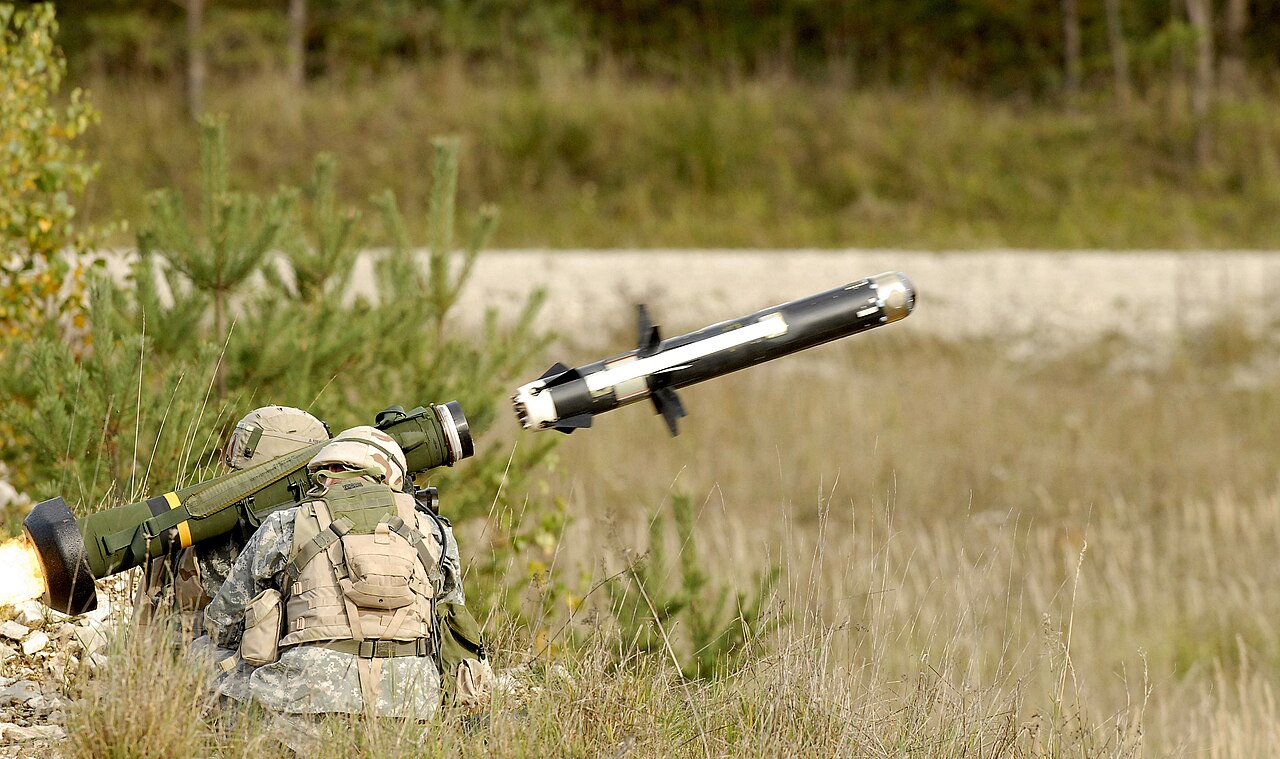
Army Javelin gunners will carry a smaller, lighter sight into the field as the service moves its next-generation launcher from first deliveries into full production. The U.S. Army awarded the Javelin Joint Venture, the Raytheon and Lockheed Martin partnership that builds the anti-armor system, a $215 million production contract for Lightweight Command Launch Units, or LWCLU, according to an RTX release dated Oct. 19, 2026. The award lands five months after the joint venture delivered the first LWCLUs to the Army.
The LWCLU is the reusable launcher and sight assembly that a soldier pairs with a Javelin missile round. RTX describes it as the next-generation launcher for the Javelin weapon system and says it "is replacing its legacy command launch unit." The new unit is built to work with every round in the inventory and those still to come: RTX states that the Javelin LWCLU "is designed to be adaptable and compatible with all current, past and future Javelin variants."
What the $215M Lightweight Launcher Buys
The contract funds production of the launcher itself rather than new missiles. That distinction matters for how the Army fields the upgrade. Because the LWCLU is designed to work with past, current and future Javelin variants, the Army should be able to adopt the new sight without retiring missile stocks already on hand.
RTX lists the performance gains against the current Block I Command Launch Unit. According to the company, the LWCLU is 30% smaller and 25% lighter "while doubling target detection and recognition." The release adds that the LWCLU "maximizes surveillance for soldiers, while offering day and night engagement capability." Defence Industry Europe reported the same figures and summarized that the new launcher "replaces the legacy Javelin unit, reducing weight and size while improving target detection."
For an infantry team that carries the system on foot, a 25% weight cut on the reusable launcher is the headline number. The doubled detection and recognition performance addresses the other half of the job: finding and identifying a target before engaging it.
Why Production Follows First Deliveries by Five Months
The timing places this contract at the point where a new launcher moves from initial hardware to a steady production line. Both RTX and Defence Industry Europe note that the award follows the first LWCLU deliveries to the Army five months earlier.
Raytheon's program lead tied the award to factory investment. "This contract reflects the strong partnership between industry and the Army to sustain and advance the Javelin system," said Jenna Hunt Frazier, JJV president and Javelin program director at Raytheon. "By modernizing our factory and strengthening our production line, we're ensuring soldiers receive a lighter, more capable launcher that improves operational readiness across the force."
Lockheed Martin's counterpart framed the award around the joint venture's track record. "The LWCLU contract award is a powerful testament to the JJV's ongoing commitment to meeting the warfighter's most critical needs," said Rich Liccion, vice president, JJV and program director, Lockheed Martin Javelin. "This achievement reflects what we can accomplish when innovation is driven by purpose and a relentless focus on the mission we support."
Who Builds Javelin, and Where
The joint venture splits work between two sites. Per RTX, Javelin is developed and produced by the JJV between Raytheon in Tucson, Arizona, and Lockheed Martin in Orlando, Florida. The release datelines the announcement from Tucson.
The scale of the existing fleet frames the size of the replacement job. RTX says the JJV has produced more than 55,000 Javelin missiles and more than 12,000 reusable Command Launch Units to date. As the LWCLU replaces the legacy command launch unit, that installed base shows the potential scale of the change, although neither source states how many LWCLUs this $215 million contract buys or how many the Army plans to field in total.
What the Javelin Release Leaves Out
Several details that contractors track are absent from the published sources. The RTX release does not state how the $215 million is divided between Raytheon and Lockheed Martin. It does not identify the contract type, the period of performance, the contracting office, the contract number or the quantity of units on order. Defence Industry Europe's report does not add those figures either.
Those gaps matter for anyone sizing the downstream opportunity. A firm-fixed-price, single-lot order points suppliers to a different planning horizon than a multiyear vehicle with options. Until the Army publishes award details, supplier planning has to rest on the top-line value and the production language in the companies' statements.
What It Means for Contractors
The award signals that the LWCLU has cleared the gap between first deliveries and production funding. For the two primes, the contract puts the new sight on a path to replace the legacy command launch unit that RTX says it is succeeding.
For the supply base, the opportunity sits in the launcher rather than the missile. The LWCLU's selling points, a smaller and lighter package with doubled target detection and recognition plus day and night engagement, plausibly depend on optics, sensors, electronics and lightweight structures, though neither source lists the launcher's subsystems. Suppliers in those areas should watch for subcontract activity flowing from the joint venture as production builds. Frazier's reference to "modernizing our factory and strengthening our production line" indicates Raytheon is investing in capacity, which typically pulls tier-two and tier-three vendors into qualification and delivery schedules.
Firms that want a precise read on the size and length of that work should track the Army's own contract announcements for the obligation details the company release does not provide, including contract type and period of performance. Backward compatibility also shapes the market. Because the LWCLU is designed to work with all current, past and future Javelin variants, the Army can field the new launcher without a parallel missile replacement, so launcher hardware is the clearest place to look for near-term work on this line.
Small businesses without a direct relationship to Raytheon or Lockheed Martin should treat this as a teaming and subcontracting play rather than a prime opportunity. The Army made the award to the joint venture, so production dollars flow to the JJV, which develops and produces Javelin between Tucson and Orlando.
