
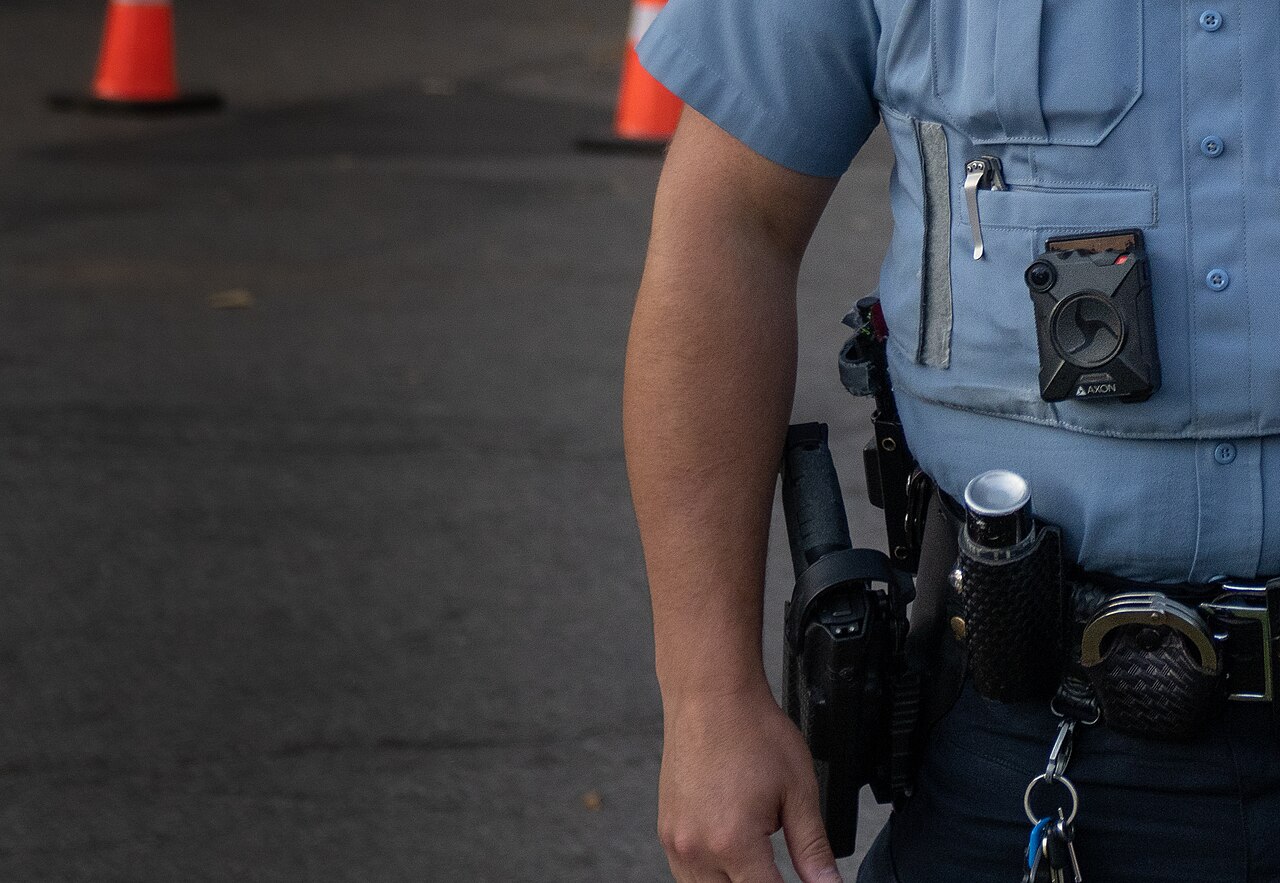
The two largest immigration enforcement agencies at the Department of Homeland Security are running more than 16,000 body cameras on program plans that no longer match reality, and DHS has refused a control that federal auditors say would give better assurance that ICE officers record as policy requires. That finding comes from GAO-26-108157, a Government Accountability Office report publicly released Oct. 14, which makes seven recommendations to U.S. Customs and Border Protection and U.S. Immigration and Customs Enforcement. DHS agreed with six of them but rejected automated camera activation at ICE, and GAO did not back down.
The report, dated September 2026 and prepared for ranking members of the House Homeland Security Committee and its subcommittees and other congressional requesters, examined program planning, performance measurement and compliance controls. Auditors reviewed agency directives and deployment data and interviewed DHS, CBP and ICE officials plus camera users at 10 field locations.
How Many Body Cameras Do CBP and ICE Actually Field?
CBP began deploying cameras in fiscal 2021 and ICE in fiscal 2024. As of June 2026, CBP had deployed approximately 11,500 cameras, nearly all of them to Border Patrol. As of April 2026, ICE had deployed approximately 4,800, split almost evenly between Enforcement and Removal Operations and Homeland Security Investigations.
Further rollout has stopped. Beginning in fiscal 2025, the components chose not to allocate funds for their program offices to continue deployment, and the CBP and ICE program offices paused further camera deployment in February and June 2025, respectively. The DHS, CBP and ICE camera directives remain in effect for the devices already in the field.
Why the 2022 and 2024 Camera Plans Are Out of Date
Both agencies started with plans that contained key components of a comprehensive program management plan. But CBP has not updated its plan since 2022 and ICE has not updated its plan since 2024. According to the report, the documents therefore do not account for increases in the number of cameras scheduled for deployment or the 2025 pause.
The gap is largest at CBP. The agency revised its total number of cameras scheduled for deployment from about 20,000 as of January 2022 to about 49,000 as of June 2026, according to GAO. The pause that began in February 2025 has delayed CBP's implementation by over one year. ICE, like CBP, is at least one year behind its 2024 plan, and ICE program officials told GAO the component intends to provide cameras to all personnel, including planned future hires.
GAO's first two recommendations direct the CBP Commissioner and the ICE Director to update program plans to align with changes in requirements, such as costs and schedules, and plan for contingencies based on current risks.
No Results-Oriented Goals for Officer Safety or Public Trust
CBP and ICE say their programs exist to enhance officer safety, transparency, accountability and public trust. Both track some information about camera availability and reliability. Neither has implemented results-oriented performance goals and measures that would show whether the cameras deliver on those aims.
GAO pointed to footage use in use-of-force investigations as one example of a potential measure. The report notes that CBP and ICE personnel can already flag footage in the video retention system as tied to significant incidents such as uses of force, and each agency maintains a separate system that records those incidents. Recommendations 3 and 4 call on each agency to build goals and measures that assess effectiveness.
Why DHS Rejected Automated Activation at ICE
Both components have policies on camera use and footage management, backed by supervisory controls and monthly reviews of footage to check categorization. GAO concluded that is not enough at ICE. In its Highlights, the report states that "additional controls—such as mechanisms that automatically activate the camera when a related action occurs (e.g., when emergency lights are engaged)—would provide better assurance that ICE personnel capture footage in accordance with policy."
The report says automated activation is an available option from the current vendor when emergency vehicles are engaged, a weapon is drawn, or proximity to another activated camera occurs. A DHS Office of Science and Technology study of automatic activation found that the Axon camera, which CBP and ICE currently use, met evaluators' expectations. CBP program officials told GAO the agency already uses automated activation in specific situations, such as when a firearm is drawn or emergency lights are activated.
DHS did not agree with Recommendation 5. It told GAO that for ICE, automatic activation presents operational risks, including inadvertent or false activations during routine movement. DHS said those activations could result in unauthorized recording of sensitive interactions with informants or victims, or recording of bystanders engaged in First Amendment activities in areas where camera use is restricted.
GAO responded that DHS's reply did not include information on environments where automated activation could be effective, or other controls that could help ensure compliance. "We maintain that additional controls, such as automated camera activation, would provide greater assurance that body-worn cameras meet ICE's desired results for transparency, accountability, and public trust," the auditors wrote.
Field Offices Still Lack Rules for When to Record
The final two recommendations target the field. Most CBP and ICE offices have not developed operational guidance explaining how personnel should use, or not use, cameras under their own operating conditions. "The lack of guidance at this operational level increases the risk that CBP and ICE personnel will fail to use the cameras as required under policy," GAO wrote.
GAO directed CBP to ensure Border Patrol, the Office of Field Operations, Air and Marine Operations and the Office of Professional Responsibility each issue such guidance, and directed ICE to ensure Homeland Security Investigations does the same. ExecutiveGov reported that DHS concurred with six recommendations and declined to adopt automated activation at ICE.
What It Means for Contractors
The body-camera market at DHS hinges on funding, not policy. The directives requiring cameras remain in force, CBP's planned fleet has grown to about 49,000 devices against roughly 11,500 fielded, and ICE wants cameras for all personnel. Yet the components chose not to allocate deployment funds beginning in fiscal 2025. Vendors of cameras, docking hardware and video retention systems should watch whether the updated program plans GAO recommended come with cost and schedule baselines that restart procurement.
Two other recommendations could create demand for software and services. Results-oriented performance measures could require linking footage data to use-of-force case systems, and DHS agreed to the recommendations to build them at both agencies. The automated activation dispute matters most to the incumbent vendor: GAO notes the capability is an available option from the current vendor, and a DHS study found the Axon camera that ICE uses met evaluators' expectations. If ICE ever reverses course, that suggests the change could lean on existing equipment rather than a new hardware buy, though the report does not say so. GAO's contact for the report is Heather MacLeod, director of Homeland Security and Justice.
