
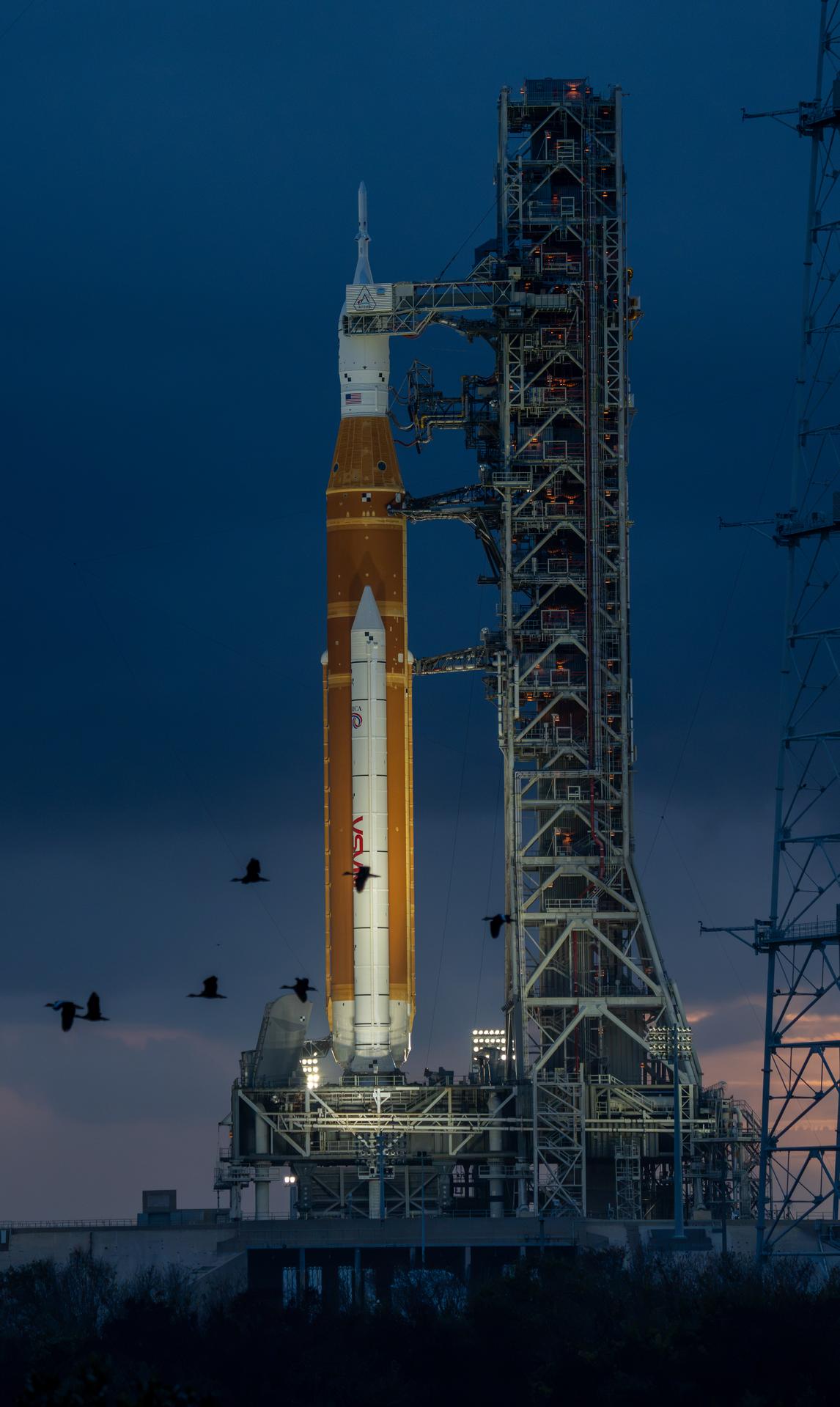
NASA lost roughly 22% of its civil-servant workforce over the past year, and the Government Accountability Office says the departures now threaten the agency's ability to oversee 25 of its 36 major projects at the same time that its flagship human-spaceflight programs are running billions of dollars over budget. In its annual assessment of NASA's major projects (GAO-26-108556), published July 23, 2026, the watchdog reviewed a portfolio carrying combined life-cycle costs of at least $70 billion and concluded that the staffing losses have left NASA's engineering and program-management capacity increasingly out of step with the demands of its programs, precisely as the Orion crew capsule piles on cost growth.
Background
GAO produces this assessment every year to give Congress an independent read on how NASA's biggest efforts are performing against their cost and schedule commitments. This edition covered 36 major projects, 18 of which have entered the development phase where GAO formally tracks cost and schedule baselines. Those development projects are where overruns show up, because that is the stage at which hardware gets built, tested, and flown rather than merely designed.
The portfolio spans the agency's marquee exploration hardware and a long tail of science missions. Two programs anchor the exploration side: Orion, the crew vehicle built by Lockheed Martin, and the Space Launch System, the heavy-lift rocket at the center of the Artemis campaign to return astronauts to the Moon. NASA reshaped that campaign earlier in 2026, pausing three Artemis projects in February and March — including the Gateway lunar space station — which removed large commitments from the near-term books even as the core rocket-and-capsule stack kept slipping.
What sets this year's report apart from the usual cost-and-schedule scorecard is the workforce story layered on top of it. NASA shed about 4,000 civil servants in 2025, nearly 22% of its permanent staff. GAO treats that loss not as a background detail but as a direct oversight risk, because NASA's flagship programs are contractor-run and depend on government engineers and program managers to hold contractors accountable to cost, schedule, and technical requirements.
Key Details
Across the portfolio, cumulative development cost growth rose from roughly $4.4 billion to nearly $4.7 billion, and cumulative schedule delays grew from 13.1 years to 14 years. Those are aggregate figures spread over many years and many projects, but the fresh damage is concentrated: GAO attributes about $501.4 million in net annual cost overruns to just three projects. Orion alone accounts for more than half of those annual cost overruns and almost 75% of the cumulative overruns in the portfolio, making the crew capsule the single largest driver of the year's cost growth. The report pairs those figures with a much smaller aggregate schedule slip this cycle, underscoring that cost, not calendar, is where the current pressure is building.
The workforce data is what gives those numbers their sharper edge. GAO found the civil-servant departures affected oversight on roughly 25 of the 36 major projects. The losses fall unevenly across NASA's centers and programs, and in several cases they land directly on the government teams responsible for managing the very efforts generating the biggest overruns. GAO's concern is straightforward: as the contractor-run programs demand more scrutiny, the government has fewer people to provide it, and the gap is widest exactly where the stakes are highest.
GAO framed its recommendations around three themes. It called on NASA to strengthen its cost and schedule controls and improve transparency into program performance, to better manage acquisition risk across the portfolio, and to address the workforce gaps that the report ties to weakened oversight. The assessment stops short of predicting when Orion or the broader exploration stack will stabilize, but it makes clear that the agency cannot simply run its existing programs with a fifth fewer people and expect oversight to hold.
What It Means for Contractors
For the prime contractors on NASA's exploration hardware, the report is a mixed signal. In the short term, a thinner government workforce can mean slower reviews, delayed approvals, and less bandwidth on the customer side to process change requests and milestone submissions — friction that ripples straight into contractor schedules. Program managers at Lockheed Martin, Boeing, and Northrop Grumman should expect NASA to lean harder on the oversight capacity it retains, concentrating scrutiny on the highest-cost efforts rather than spreading it thin.
The medium-term implication cuts the other way. When GAO publicly names Orion as the source of most of the portfolio's cost growth and documents that the government lacks the staff to manage it, it hands Congress the ammunition to demand tighter cost controls, restructured milestones, or firmer accountability provisions on future task orders and follow-on work. Contractors on cost-reimbursement and cost-plus vehicles should anticipate more aggressive baseline management and closer earned-value scrutiny on the awards that survive.
There is also opportunity in the gap. A NASA that has lost a fifth of its civil-servant engineering and program-management corps will need to backfill technical and acquisition-support capacity somewhere, and much of that work flows to contractors through engineering-services and program-support vehicles. Firms positioned in systems engineering, independent cost estimating, and acquisition support may find demand rising even as the flagship hardware programs come under pressure. The through-line for anyone selling into NASA is that the agency's oversight capacity is now a documented, GAO-flagged risk — and any proposal that credibly reduces the government's management burden, rather than adding to it, will land in a more receptive environment than it would have a year ago.
Finally, the Gateway pause is a reminder that the reshaped Artemis strategy remains fluid. Contractors tied to lunar-exploration roadmaps should track how NASA rebalances its portfolio against a shrinking workforce, because the programs the agency chooses to protect will be the ones it judges it can still credibly manage.
