
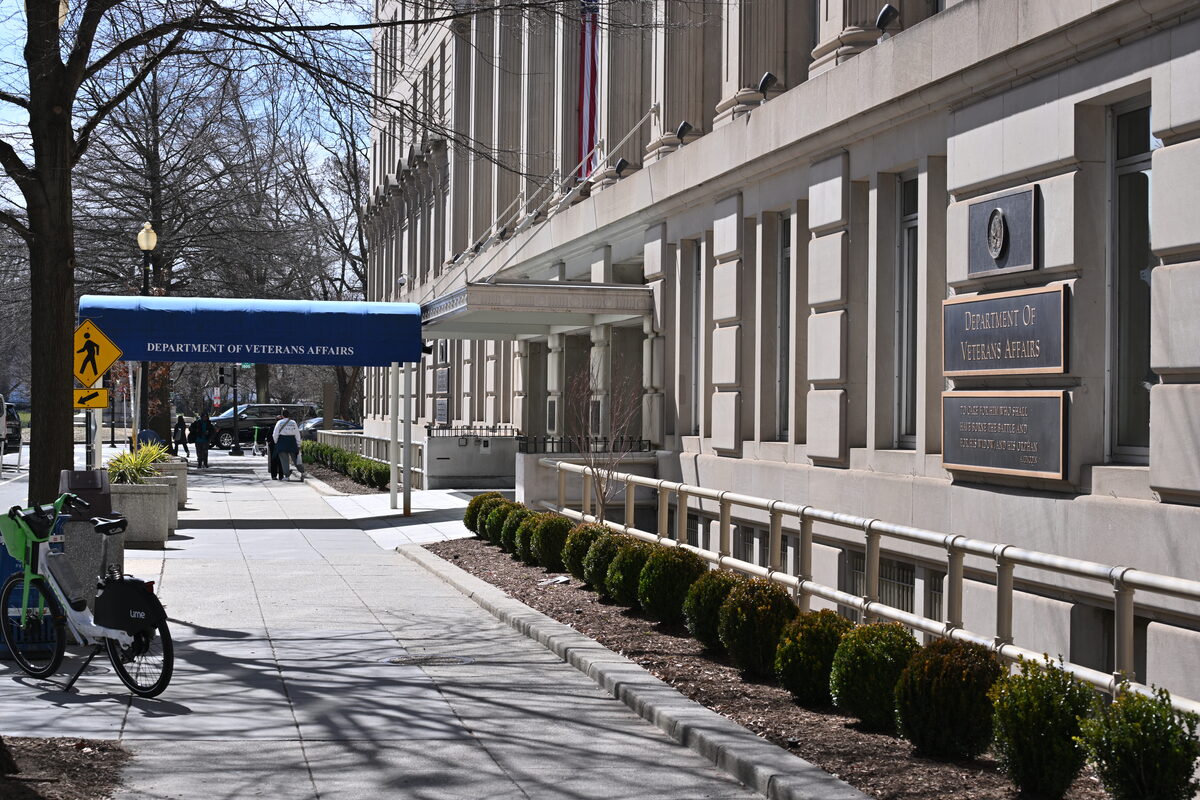
Two Florida-based government contractors have agreed to pay a combined more than $3.6 million to settle allegations that they defrauded the Department of Veterans Affairs by improperly obtaining service-disabled veteran-owned small business set-aside contracts, the Department of Justice announced June 2, 2026. According to a DOJ press release from the Middle District of Florida, Officium Global LLC and Loyal Source Government Services LLC each agreed to pay more than $1.8 million, resolving violations of both the False Claims Act and the Contract Disputes Act.
Allegations and Contract Background
The settlement centers on seven SDVOSB set-aside contracts that the Department of Veterans Affairs awarded to Officium Global between May 2017 and June 2018. Federal law requires that companies competing for SDVOSB set-aside work be owned, managed, and controlled by service-disabled veterans. VA's Veterans First Contracting Program, which governs set-aside eligibility for VA procurements, imposes strict requirements: the service-disabled veteran must not only hold an ownership stake but must also control the day-to-day management and long-term decision-making of the firm.
The government alleged that Officium Global submitted false SDVOSB eligibility certifications when it bid on and received those seven contracts. Specifically, the allegation was that the management and daily operations of Officium Global were not actually controlled by a service-disabled veteran, as required under the program's regulations. By certifying otherwise, the company induced the VA to award set-aside contracts it would not have received had it competed on a full-and-open basis — or not at all.
Loyal Source Government Services LLC, a staffing and workforce solutions firm, was also named in the settlement. The combined more-than-$3.6-million payment reflects the interrelated nature of the two companies' involvement across the disputed contracts.
The Whistleblower and Qui Tam Mechanism
The case originated with a qui tam lawsuit filed by Jeremy Lavin in the Middle District of Florida. Under the False Claims Act's qui tam provisions, private citizens who have knowledge of fraud against the federal government may file suit on the government's behalf and receive a share of any recovery. As a result of the more-than-$3.6-million settlement, Lavin will receive more than $680,000 — approximately 19 percent of the total recovery, consistent with the False Claims Act's relator share provisions for cases where the government intervenes or joins.
U.S. Attorney Gregory W. Kehoe of the Middle District of Florida was quoted in the DOJ announcement, underscoring the government's commitment to holding contractors accountable when they misrepresent their eligibility for programs specifically designed to benefit service-disabled veterans. The qui tam mechanism has proven to be one of the most effective enforcement tools available in the federal procurement space, generating billions of dollars in recoveries across industries since the FCA was strengthened in 1986.
What It Means for Contractors
This settlement carries direct implications for any small business currently holding or seeking SDVOSB designations, particularly those competing under VA's Veterans First Contracting Program.
- Control is not just ownership. Holding a majority equity stake in a firm is not sufficient to establish SDVOSB eligibility. VA regulations and SBA rules require that the service-disabled veteran exercise both day-to-day management control and control over long-term decisions. Arrangements where non-veteran partners or managers effectively run operations while a veteran holds title are a primary enforcement target.
- Certifications carry legal weight. Every bid submitted on a set-aside contract typically includes an eligibility certification. Under the False Claims Act, a knowingly false certification on a government contract is itself a basis for liability, independent of whether the work was performed adequately. Courts have repeatedly held that eligibility fraud goes to the "heart of the bargain" the government struck when awarding a set-aside.
- Employees and partners can be whistleblowers. Jeremy Lavin filed this case as an insider with direct knowledge of the company's operations. Former employees, subcontractors, and business partners all have standing to bring qui tam suits. Contractors should be aware that anyone with knowledge of a false certification can trigger a federal investigation — and receive a significant financial reward for doing so.
- The Contract Disputes Act adds another exposure layer. In addition to False Claims Act liability, this settlement also resolved Contract Disputes Act claims. The CDA governs contractor disputes with agencies over contract performance, payments, and modifications. Including CDA claims alongside FCA claims is a signal that the government pursued both civil fraud liability and contract-specific remedies simultaneously, increasing total exposure for the defendants.
- Retroactive scrutiny is real. The contracts at issue were awarded between May 2017 and June 2018 — nearly nine years before this settlement. SDVOSB fraud investigations frequently span years, and the statute of limitations under the FCA extends to ten years in some circumstances. Contractors should not assume that older certifications are beyond review.
- Periodic eligibility audits are advisable. Given the enforcement climate, SDVOSB-certified firms should periodically review whether their ownership and control structures still comply with applicable regulations, especially following leadership transitions, new investors, or changes in day-to-day management. Proactive legal review is far less costly than a settlement.
For VA-specific procurements, the Veterans First Contracting Program prioritizes veteran-owned and service-disabled veteran-owned small businesses above all other small business preferences. That elevated priority makes SDVOSB status extremely valuable — and, accordingly, a frequent target for fraud. The VA's Center for Verification and Evaluation conducts eligibility reviews, but those reviews do not catch every case. DOJ enforcement through the FCA fills that gap.
For contractors holding SDVOSB certifications who are uncertain about compliance, the SBA's regulations at 13 C.F.R. Part 128 set out the federal SDVOSB standards, while VA's supplemental requirements appear in 38 C.F.R. Part 74. Discrepancies between the two regulatory frameworks have historically created confusion, but both require genuine veteran control. When in doubt, outside counsel familiar with small business set-aside regulations should be consulted before submitting a new certification. The bottom line from this case: eligibility certifications are not administrative formalities. They carry the full weight of federal fraud statutes, and enforcement — including enforcement of contracts nearly a decade old — remains active.
