U.S. Navy
Every GovConFeed story on U.S. Navy — contract awards, policy, enforcement, and protests, newest first.
-
Policy
CBO: Navy's FY2027 Shipbuilding Plan Would Cost $54 Billion a Year, 41% Above Recent Funding
CBO estimates the Navy's FY2027 30-year shipbuilding plan would cost about $54 billion a year, 41% more in real terms than recent appropriations, and says even record funding levels through 2056 would not buy all 398 ships.
-
Policy
Navy Undersecretary Nominee Toti Backs Early Carrier CCAs and a Foreign-Backed U.S. Frigate Yard
At his Senate confirmation hearing, Navy undersecretary nominee William Toti said the Navy can start integrating collaborative combat aircraft before F/A-XX delivers and argued for a foreign shipbuilder to invest in a new U.S. yard for frigates rather than building warships abroad.
-
Policy
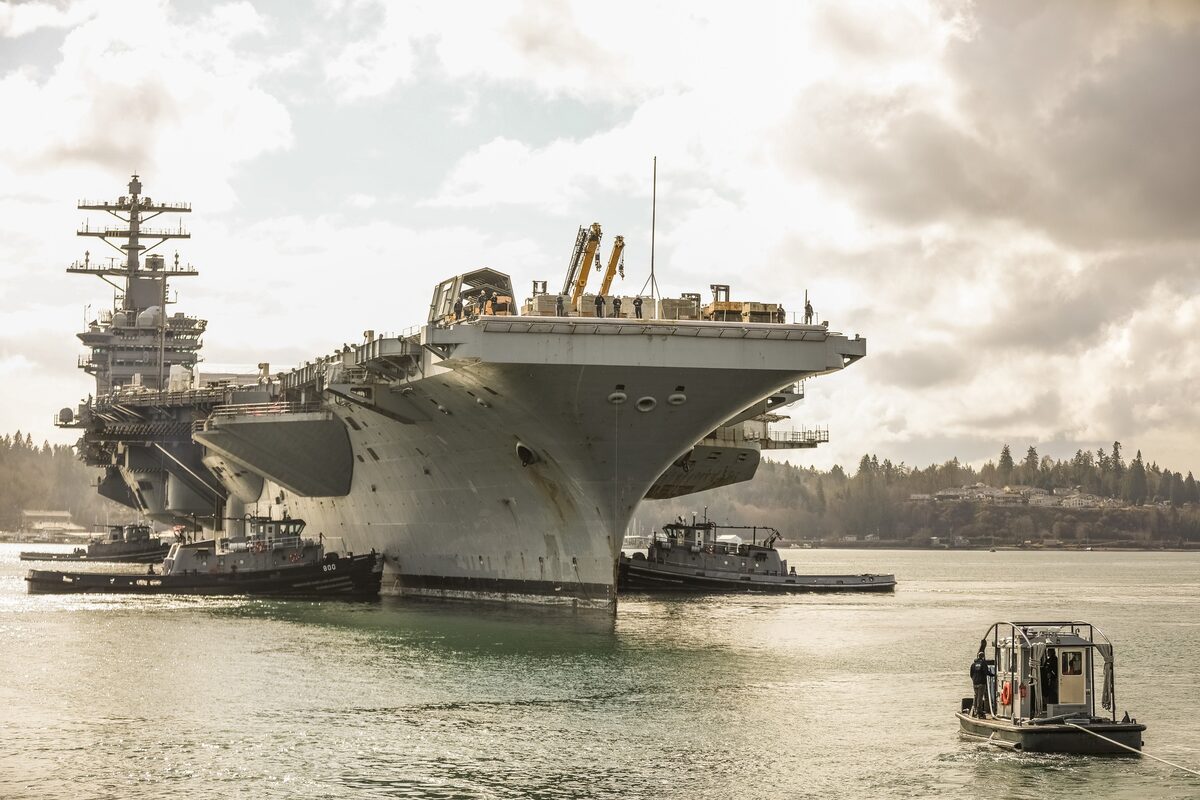
Ford-Class Steam Catapult Order Hits Wall as SASC Chair Wicker Calls It a 'Non-Starter'
At Hung Cao's Navy secretary confirmation hearing, SASC Chairman Roger Wicker said returning Ford-class carriers to steam catapults is a non-starter, challenging Trump's August memo as the Navy's EMALS replacement plan sits under OMB review.
-
Policy
Lead Columbia-Class Submarine Back on Track for 2028 After Electric Boat Doubles Work Rate
Vice Adm. Rob Gaucher says USS District of Columbia (SSBN-826) is back on track for 2028 delivery after the Navy and General Dynamics Electric Boat doubled the weekly work rate, averting a slip that in April threatened to push delivery past 2030.
-
Policy
Navy's PAE Mission Systems: What the New Portfolio Executive Owns and How Contractors Get In
The Navy's Portfolio Acquisition Executive for Mission Systems folds parts of PEO C4I, PEO Digital, PEO IWS, PEO MLB and Project Overmatch into one portfolio under interim head Jim Day, with Overmatch serving as the Rapid Capability Cell for industry.
-
Policy
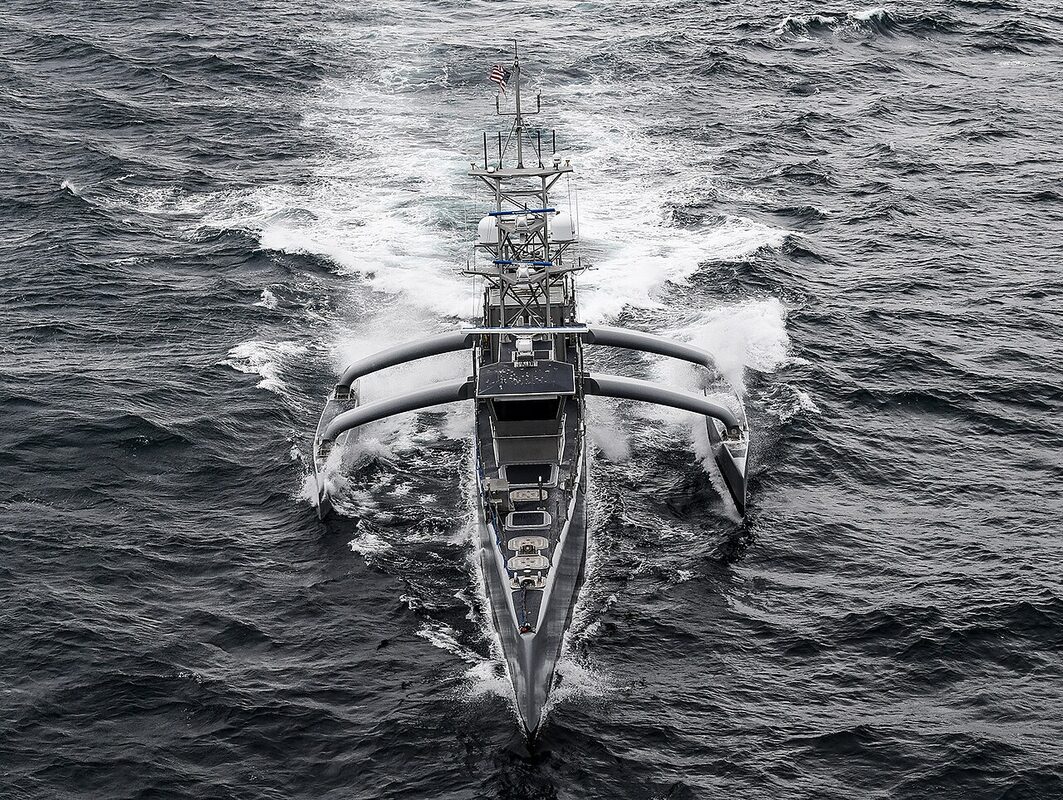
Navy Claims First Drone Boat With a Carrier Strike Group, but Won't Name the Vessel
Acting Navy Secretary Hung Cao says the Theodore Roosevelt Carrier Strike Group deployed Oct. 8 with an unmanned surface vessel, a first. The Navy has not named it, and tracking data shows the likely candidate, MUSV Seahawk, left Point Loma more than ten days after the carrier.
-
Policy
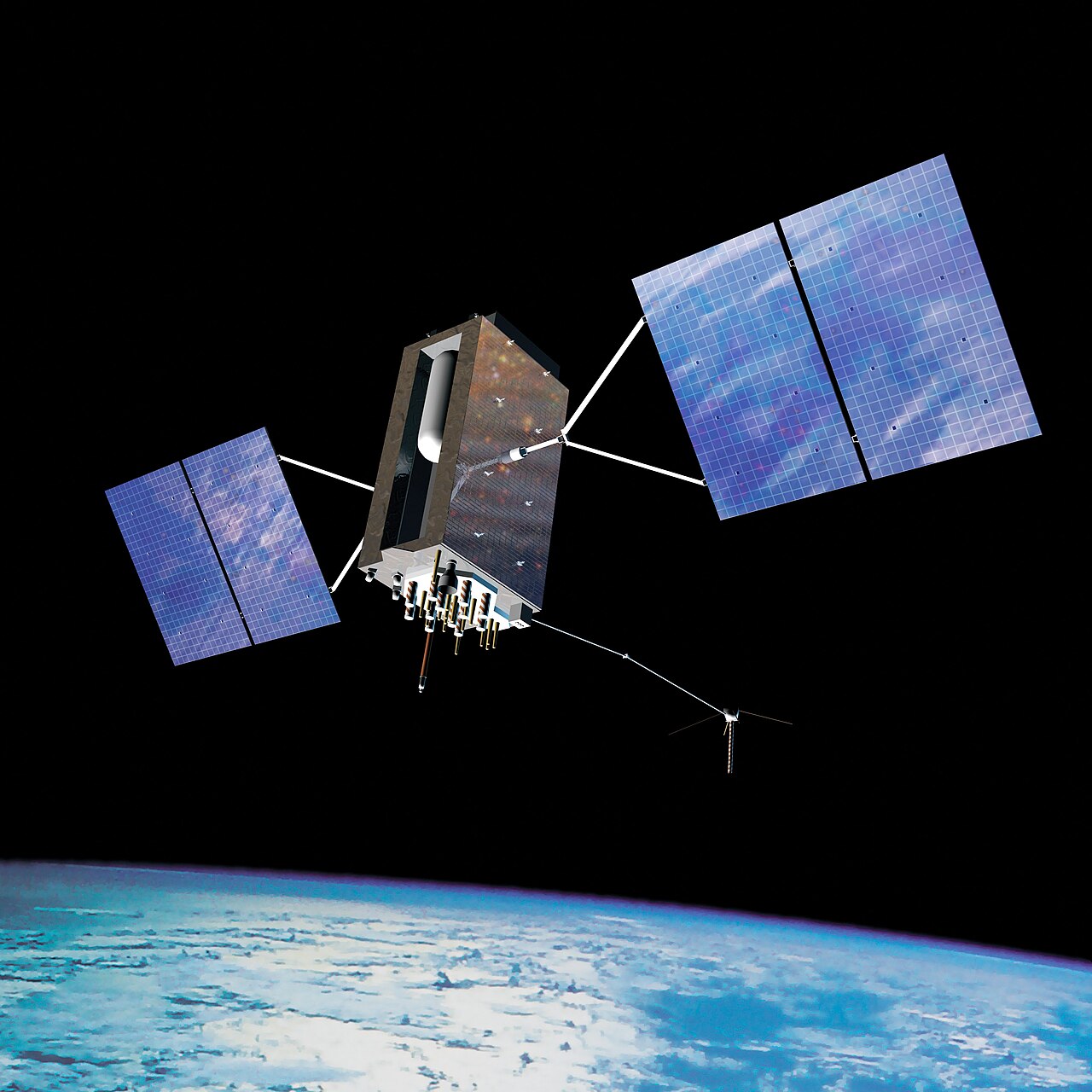
Pentagon GPS Backup Programs Need Consolidation, GAO Says, as Ground System Is Canceled
GAO says DOD should merge fragmented Army, Navy and Air Force GPS-backup programs as GPS modernization slips and the Next Generation Operational Control System is canceled, putting M-code receivers and munitions integration at risk.
-
Policy
Navy's Shipyard Rebuild Balloons to $200 Billion, GAO Finds — With No Duty to Tell Congress
A GAO report finds the Navy's four-shipyard rebuild will top $200 billion and take 50+ years, nearly 10x its 2018 estimate, with no requirement to give Congress a full accounting.
-
Policy
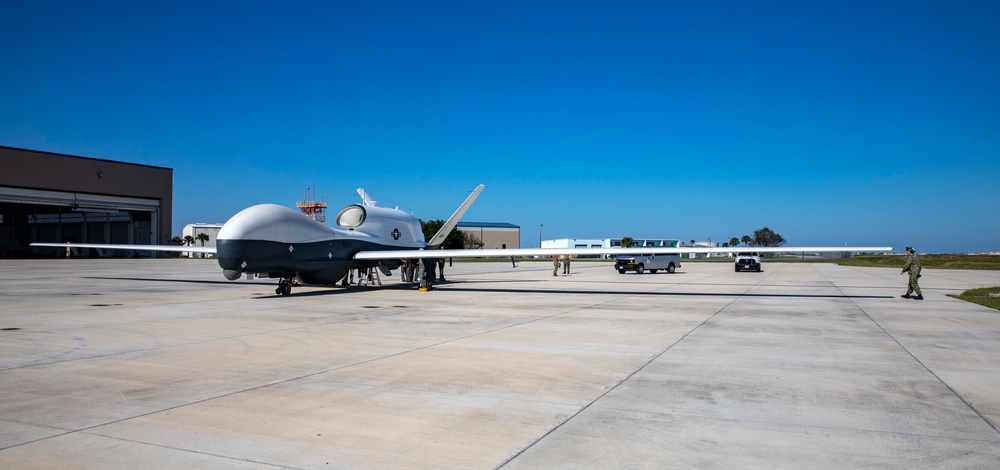
Four NATO Allies Order Up to Five Northrop Grumman Triton Drones for Arctic ISR
Denmark, Finland, Germany, and Norway will procure up to five Northrop Grumman MQ-4C Triton drones to complement NATO's AGS fleet, boosting maritime surveillance from the Mediterranean to the High North under a transatlantic industrial deal with Airbus.
-
Policy
Pentagon's Priciest Weapons Programs Now Take 12+ Years to Deliver, GAO Finds
GAO's 24th annual Weapon Systems Assessment finds DOD's 104 costliest programs, worth $2.4 trillion, now average 12+ years to field capability, with 18 of 40 rapid-pathway programs entering with immature technology below TRL 6.
-
Policy
Navy Doubles Anti-Radar Missile Production Target to 600 a Year, Opens Door to Northrop Rival
A July 1 Navy RFI seeks a second source for anti-radar missiles at up to 600 rounds a year, double the February target, as the service pauses Northrop Grumman AARGM-ER buys and looks for an alternative to its sole-source supplier.
-
Policy
GAO: Fewer Than 1 in 4 F-35s Fully Mission Capable as Sustainment Costs Spiral $13.7B Over Budget
A new GAO report finds the F-35's full mission capable rate collapsed from 38.1% in FY2021 to 24.6% in FY2025. The Pentagon's revised sustainment strategy will cost $13.7 billion more than planned through FY2031, with annual costs breaching service affordability targets by the mid-2030s.